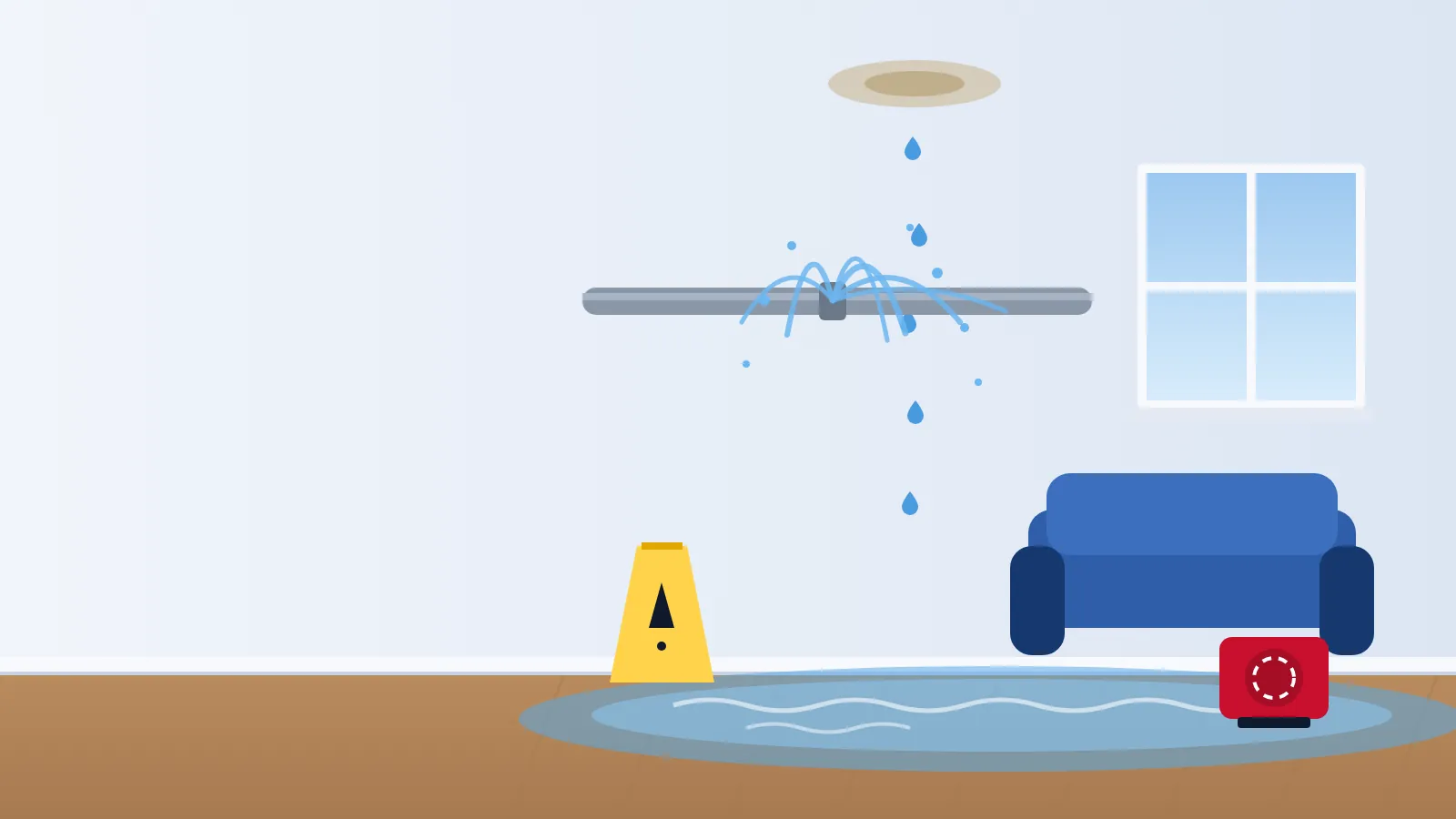
The cost of water damage restoration depends on where the water came from, how much there was, how long it sat and what it soaked. Two homes with the same size wet patch can end up with very different bills. This page explains why.
Sifixit does not publish price numbers unless we can name a trustworthy source for them. This page explains how pricing works so you can understand and compare the quotes you receive.
How pricing usually works
A water damage restoration bill is usually made up of several stages.
Water removal
Pumping out and extracting standing water, often priced by the area or the time it takes.
Drying equipment
Air movers and dehumidifiers are usually charged per unit, per day, until the moisture readings are normal.
Removal and cleaning
Taking out wet drywall, insulation and carpet pad, and cleaning or disinfecting what stays.
Repairs
Putting back drywall, flooring, paint and trim. This is often quoted separately from the drying.
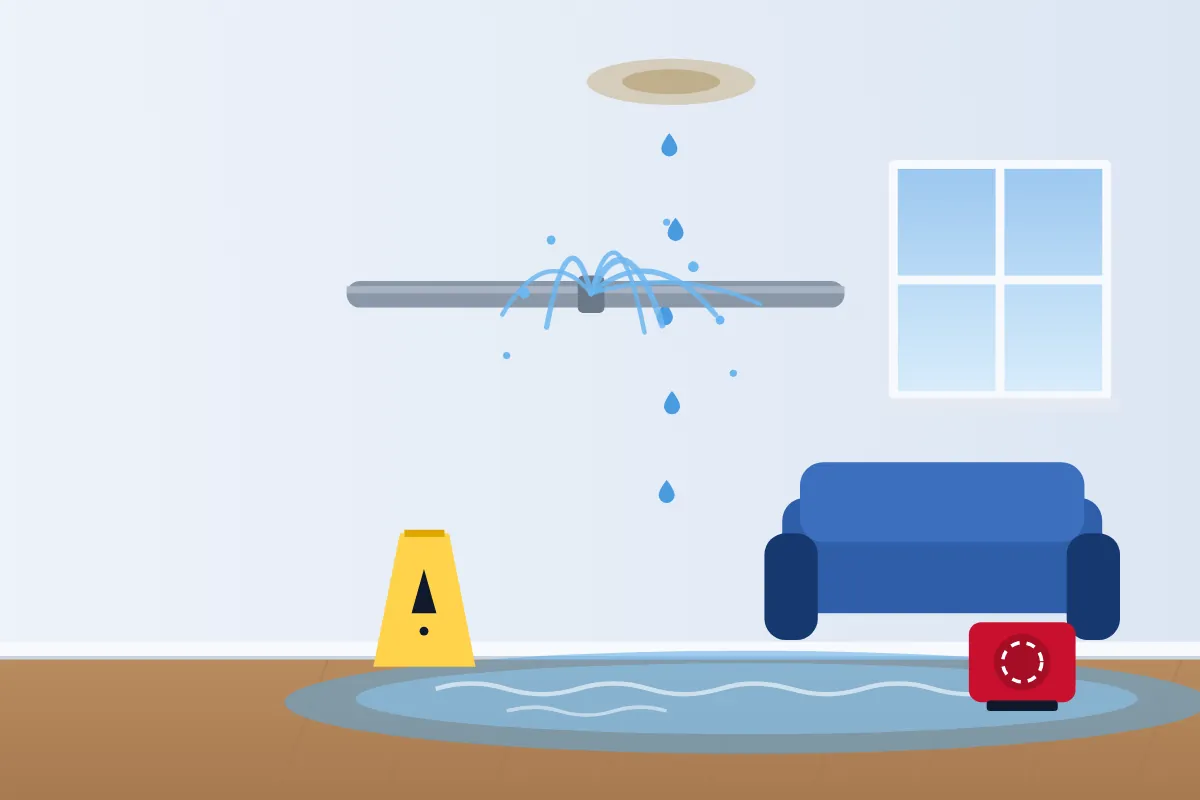
What makes the price go up or down
- Clean, gray or black water, since dirty water needs more removal and disinfection
- How long the water sat before drying started
- How many rooms and floors are affected
- What got wet, from tile to hardwood and carpet
- How many days of drying are needed
- Whether mold has already started
- Whether the cause, such as a pipe, also needs repair
Insurance and your costs
Sudden water damage, such as a burst pipe, is commonly covered by homeowners insurance. Flooding from outside needs separate flood insurance, and slow leaks are often not covered.
- Stop the water and take photos straight away
- Call your insurer before major repairs start
- Ask the provider to record moisture readings and photos for the adjuster
- Keep damaged items until the adjuster has seen them, or photograph them first
- Keep every receipt
How to compare quotes
- Check that each quote separates drying from repairs
- Ask how many drying days each provider expects
- Ask which materials each plans to remove
- Make sure moisture readings will be shared with you
- Compare how they will handle mold if it is found
Warning signs in a quote
- A flat price before anyone has measured the moisture
- A plan to paint over wet drywall
- No mention of how drying will be confirmed
- Pressure to sign over your insurance claim
- An offer to waive your deductible
Frequently asked questions
Why is drying charged by the day?
Drying equipment runs until the materials reach normal moisture levels. A wetter home or thicker materials take more days.
Is the repair part of the restoration price?
Often not. Many providers quote the water removal and drying first, and the rebuild separately.
Does insurance pay the restoration company directly?
Sometimes. Ask your insurer and the provider how payment will work before work starts.
Can I save money by drying it myself?
For a small clean spill, yes. For anything soaked into walls or floors, poor drying can lead to mold and much bigger costs later.
Learn more
Our main water damage restoration guide explains the warning signs, what to do first and when to call a professional.
Sifixit is a free referral service and does not provide home services. Calls may be answered by a partner call center or connected directly to independent local providers, who are solely responsible for their work, pricing, licensing and insurance.