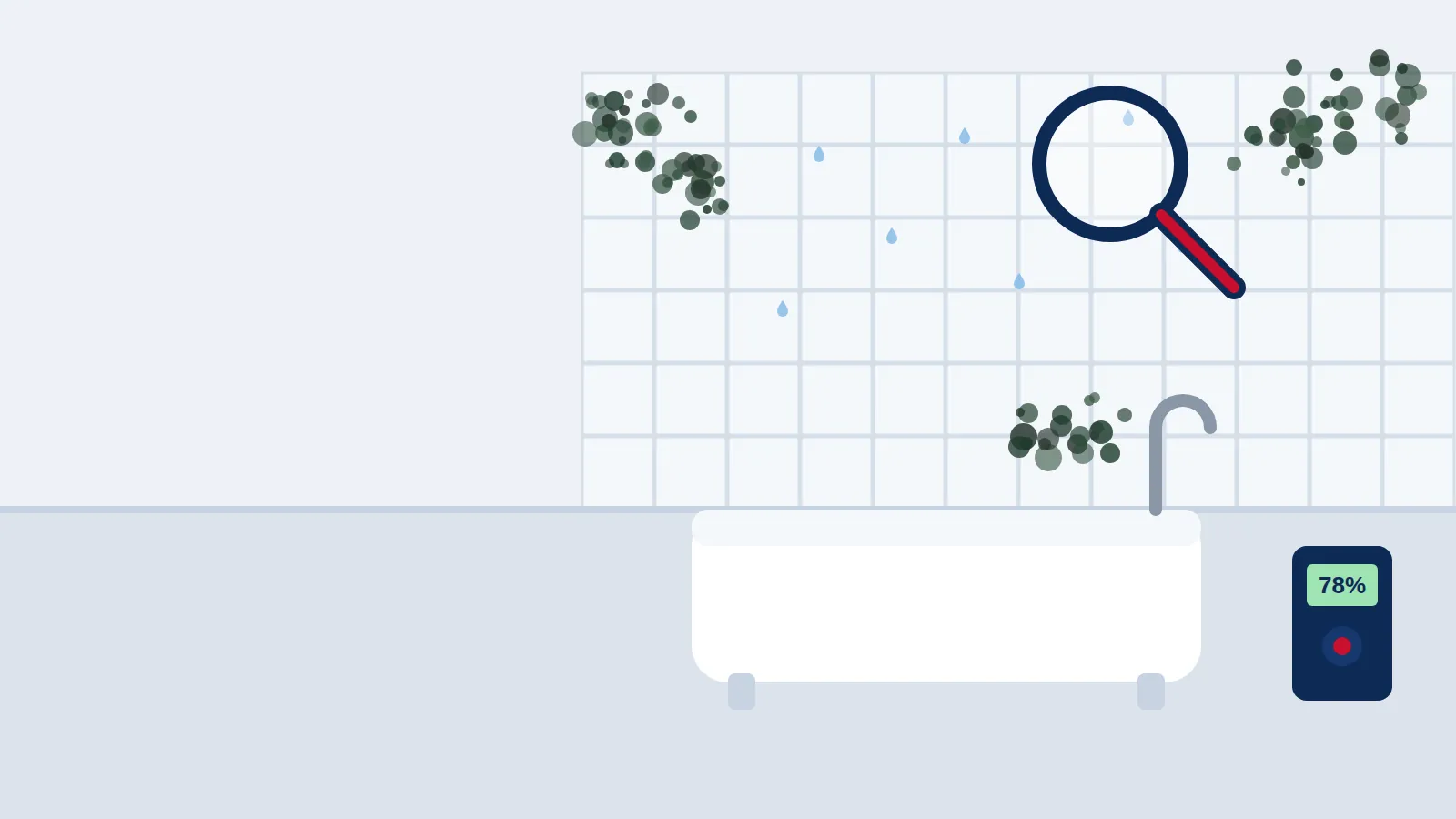
Attic mold often goes unnoticed for years because few people look in their attic. It usually grows on the underside of the roof boards when warm, damp air from the home collects there and has nowhere to go. Fixing the airflow matters as much as removing the mold.
Sifixit is a free referral service. Call the number on this page and you will be connected with an independent mold removal provider where one serves your area. Calling costs nothing and you are never obliged to hire anyone.
Signs of mold in the attic
Look for these the next time you check your attic.
- Dark staining or spots on the underside of the roof boards
- A musty smell upstairs or when the attic hatch opens
- Damp or matted insulation
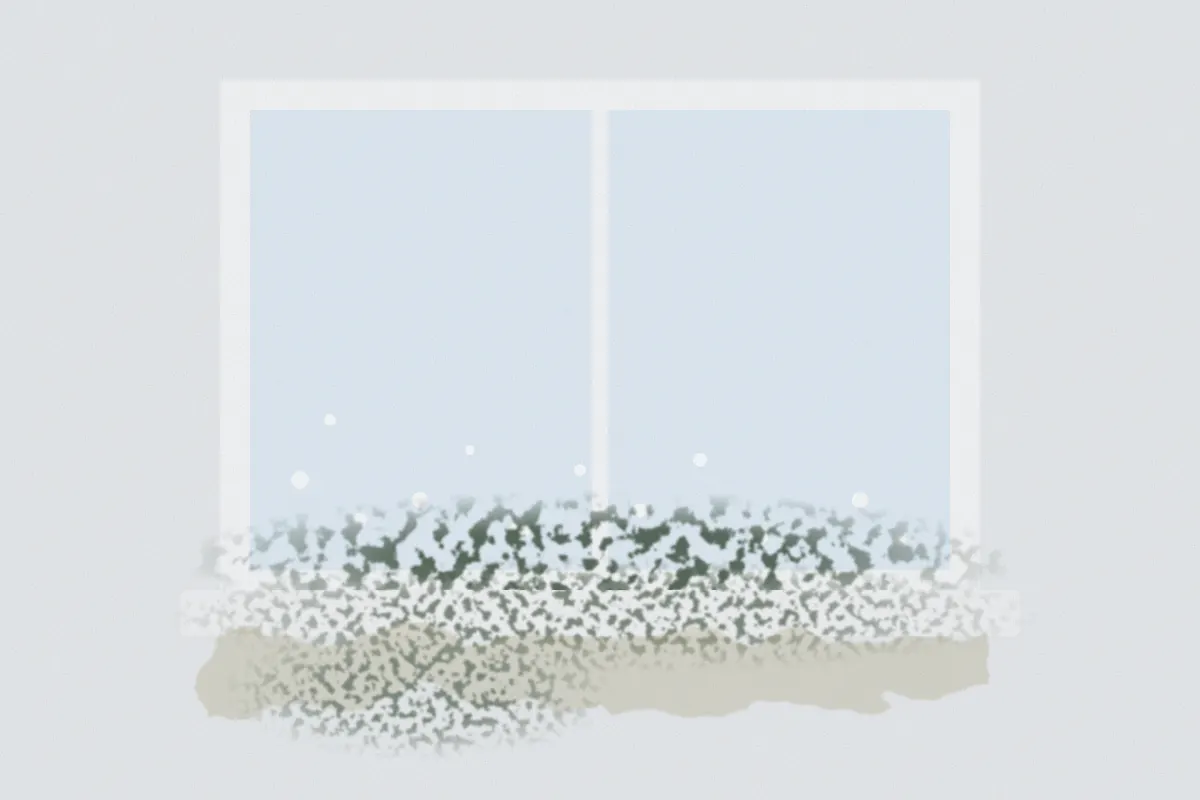
- Frost on nails or roof boards in winter
- Bathroom or kitchen fans venting into the attic
- Rusted nails poking through the roof boards
What to do right now
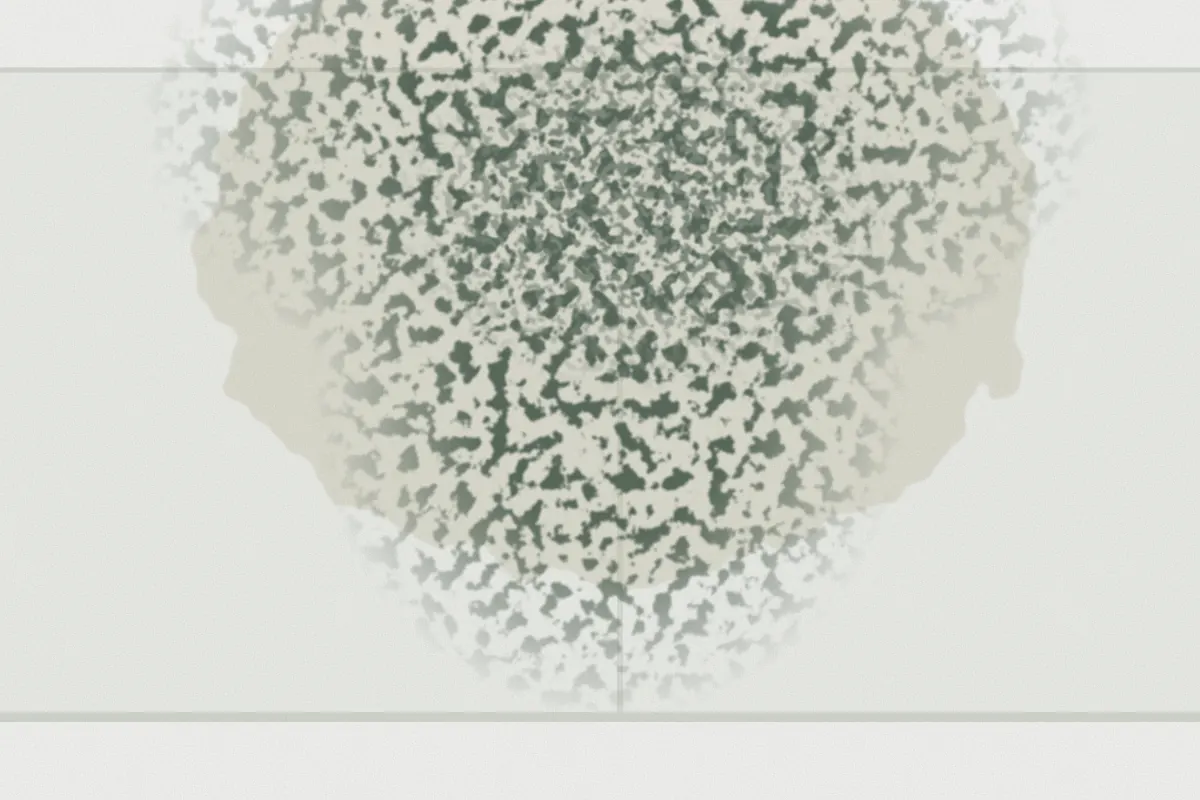
Attics can be hot, have weak floors and hide nails. Step only on the framing, wear a mask, and do not disturb large areas of mold.
- Do not scrub or sand attic mold yourself
- Check whether bath or kitchen fans end in the attic
- Look for roof leaks after rain
- Take photos of any staining
- Keep the attic hatch closed
- Call a mold removal provider
Why mold grows in attics
Poor ventilation
Without enough intake and exhaust vents, warm moist air gets trapped under the roof.
Fans venting into the attic
Bathroom, kitchen and dryer vents that end in the attic pump moist air straight into it.
Roof leaks
Small leaks keep roof boards and insulation damp.
Warm air leaks
Gaps around lights, pipes and the attic hatch let damp air from the home rise into the attic.
How attic mold is removed
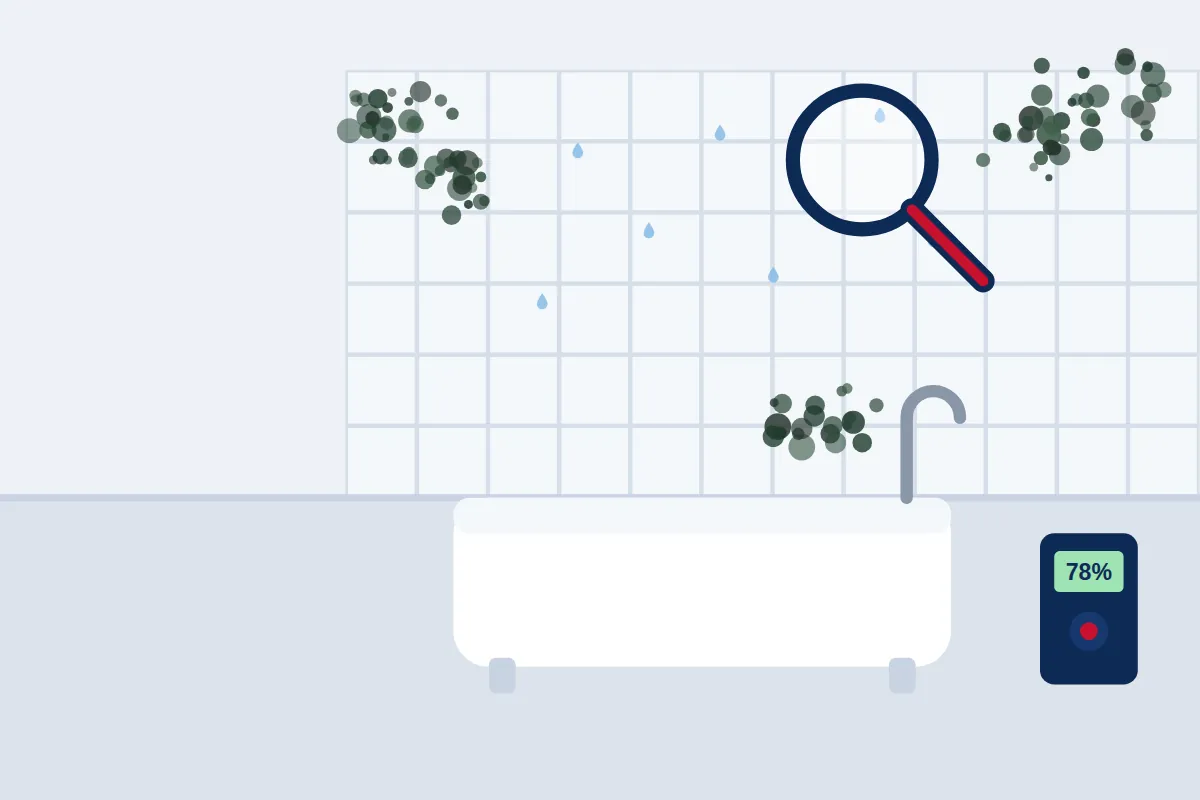
- The provider finds the moisture source and checks the ventilation.
- The attic is contained so spores do not spread into the home.
- Mold is removed from roof boards by cleaning, sanding with HEPA vacuums or blasting methods.
- Damaged insulation is removed and replaced.
- Surfaces may be treated with a sealant after cleaning.
- Ventilation is fixed, and fans are rerouted to vent outside.
Keeping the attic dry
- Make sure bath and kitchen fans vent outside, not into the attic
- Keep soffit vents clear of insulation
- Seal gaps around lights, pipes and the attic hatch
- Fix roof leaks quickly
- Check the attic after heavy rain and in cold weather
Questions to ask before you hire
- What is causing the moisture in my attic?
- Will you fix the ventilation as well as remove the mold?
- How will you keep spores out of the living space?
- Does the insulation need replacing?
- Is a mold license required in my state, and do you have one?
Frequently asked questions
Is attic mold dangerous?
Attic mold is usually separated from living spaces, but spores can travel through gaps, and the damp that causes it can damage the roof. It should be removed and the cause fixed.
Will attic mold come back?
It will if the ventilation or moisture problem is not fixed. That is the most important part of the job.
Can I just replace the roof boards?
Sometimes badly damaged boards are replaced, often during a roof replacement. Otherwise, cleaning and fixing the airflow is usually enough.
Does insurance cover attic mold?
It may, if the mold came from a sudden covered event such as storm damage to the roof. Mold from poor ventilation usually is not covered.
Learn more
Our main mold removal guide covers the wider picture, including what affects the cost and when to call a professional.
Sifixit is a free referral service and does not provide home services. Calls may be answered by a partner call center or connected directly to independent local providers, who are solely responsible for their work, pricing, licensing and insurance.