Mold inside walls usually grows from a hidden leak, condensation or past water damage. Wall mold removal opens the affected wall, removes moldy drywall and insulation, treats the framing and fixes the moisture so the wall can be rebuilt.
Signs include a musty smell near one wall, stains or bubbling paint, and soft drywall.
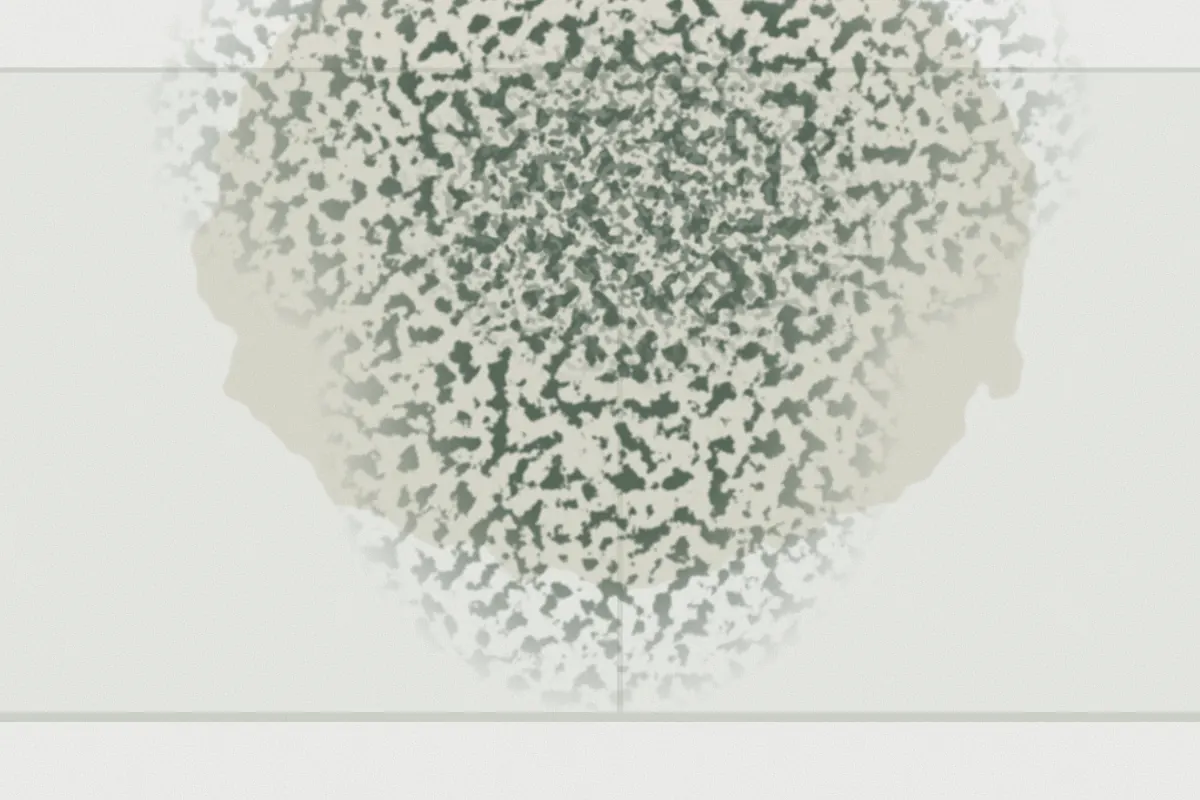
When you need wall mold removal
- A musty smell strongest near one wall
- Stains, bubbling paint or soft drywall
- Mold on baseboards
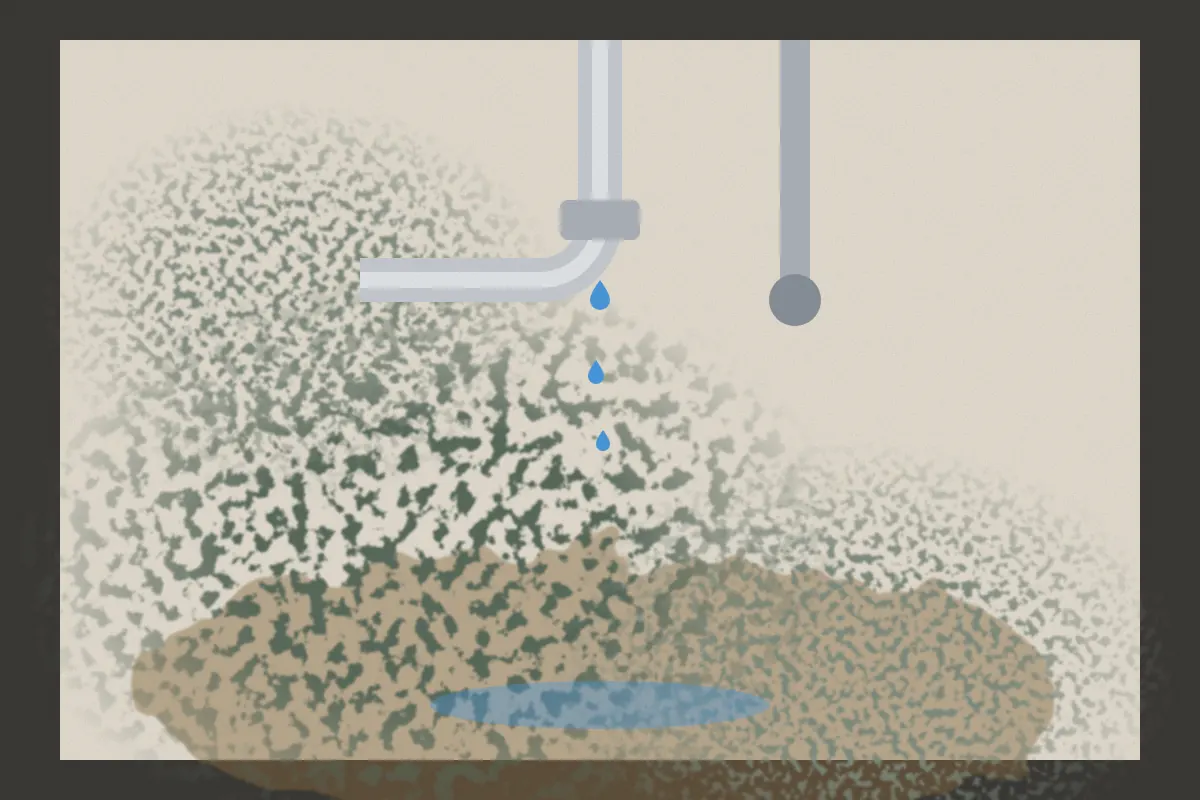
- A past leak behind a shower, sink or appliance
What the job involves
- Find hidden moisture with meters or thermal imaging.
- Set up containment and HEPA air scrubbers.
- Remove moldy drywall and insulation.
- Clean and treat framing, then dry it.
- Fix the leak and rebuild the wall.
What affects the cost
Sifixit does not quote prices, because every job is different. These are the things that move the price up or down, so you can compare quotes fairly:
- How far mold spread inside the wall
- Plumbing repairs
- Drywall, insulation and paint
- Containment size
- Clearance testing
Insurance
Mold from a sudden covered leak may be covered up to a limit. Mold from long term leaks or humidity usually is not.
Licensing by state
Rules differ a lot between states. Here is who licenses this work in the states Sifixit covers most. Always ask for the license number and check it with the state.
- Texas licenses mold assessors and remediators through the Texas Department of Licensing and Regulation.
- Florida licenses mold assessors and remediators through the Department of Business and Professional Regulation.
- Louisiana and New York also license mold work.
- Most other states have no mold license, so check training, insurance and references.
Read our guide: how to tell if mold is growing behind walls.
Local help for wall mold removal
- Mold removal in Los Angeles, CA
- Mold removal in Phoenix, AZ
- Mold removal in Washington, DC
- Mold removal in Atlanta, GA
- Mold removal in Fort Lauderdale, FL
- Mold removal in Hollywood, FL
Quick answers: wall mold removal
How do I know if mold is inside my walls?
A musty smell, stains, bubbling paint and soft drywall are common signs.
Can mold in walls be cleaned without removing drywall?
Usually not. Moldy drywall and insulation are removed and replaced.
Is mold in walls dangerous?
It can affect indoor air, especially for people with allergies or asthma.
Does insurance cover mold in walls?
Sometimes, when it follows a sudden covered leak.
Who removes mold in walls?
A mold removal company. Sifixit can connect you with a local provider.
Looking for wall mold removal? Call the number on this page to be connected with an independent local provider. For more background, see the EPA’s mold guide.
This site is a free service to assist homeowners in connecting with local service contractors. All contractors are independent and this site does not warrant or guarantee any work performed. It is the responsibility of the homeowner to verify that the hired contractor furnishes the necessary license and insurance required for the work being performed. All persons depicted in a photo or video are actors or models and not contractors listed on this site.
Helpful guides
- Mold under carpet: signs and what to doHow to tell if mold is growing under your carpet, why it happens, and whether the carpet can...
- Mold in a rental home: what tenants and landlords should knowTenants should report mold and any leak to the landlord in writing, with photos, and keep a copy.
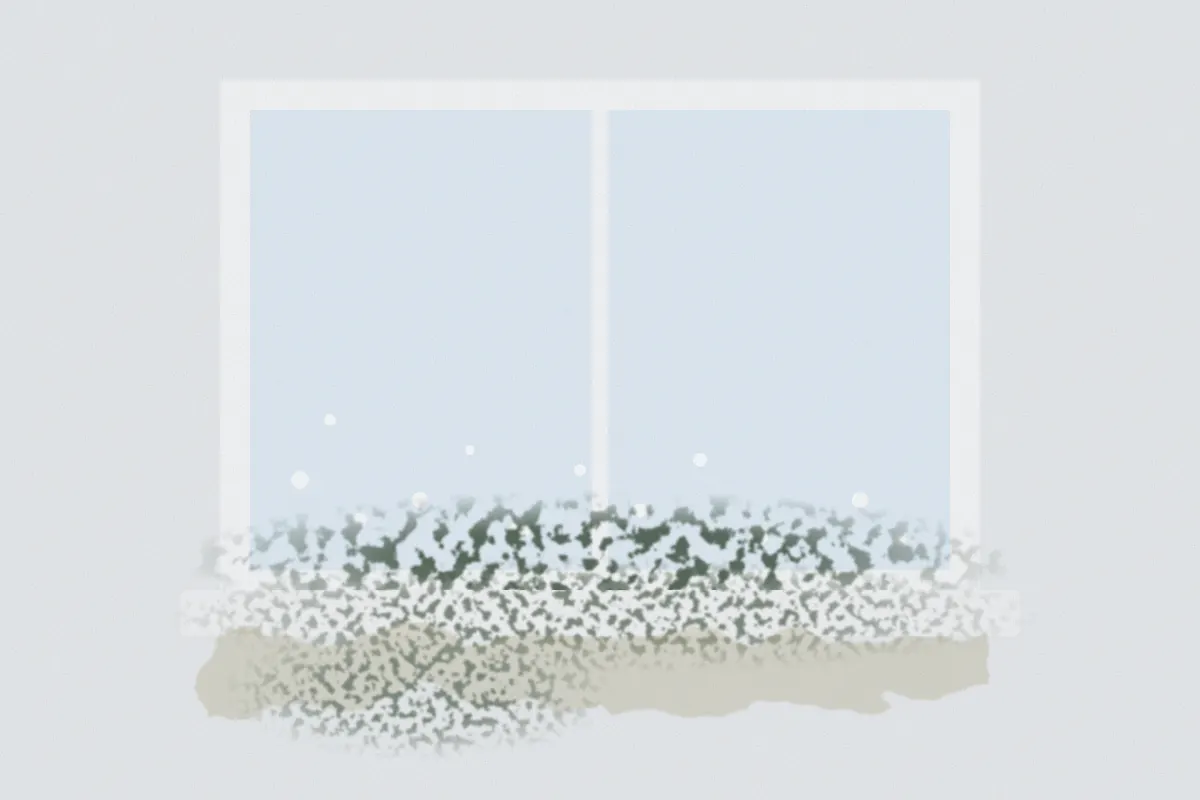
- Mold on windows and window sills: causes and preventionMold on windows usually comes from condensation: warm, damp indoor air hits cold glass and frames, and water...
- Mold in AC vents and air ducts: signs and what to doDark spots on vent covers, a musty smell when the air conditioning runs and allergy symptoms that worsen...
- Bathroom mold: causes, cleaning and preventionBathroom mold grows because of steam, standing water and poor ventilation.
- Do I need mold testing? When it helps and when it does notIf you can see or smell mold, you usually do not need testing to know it must be...