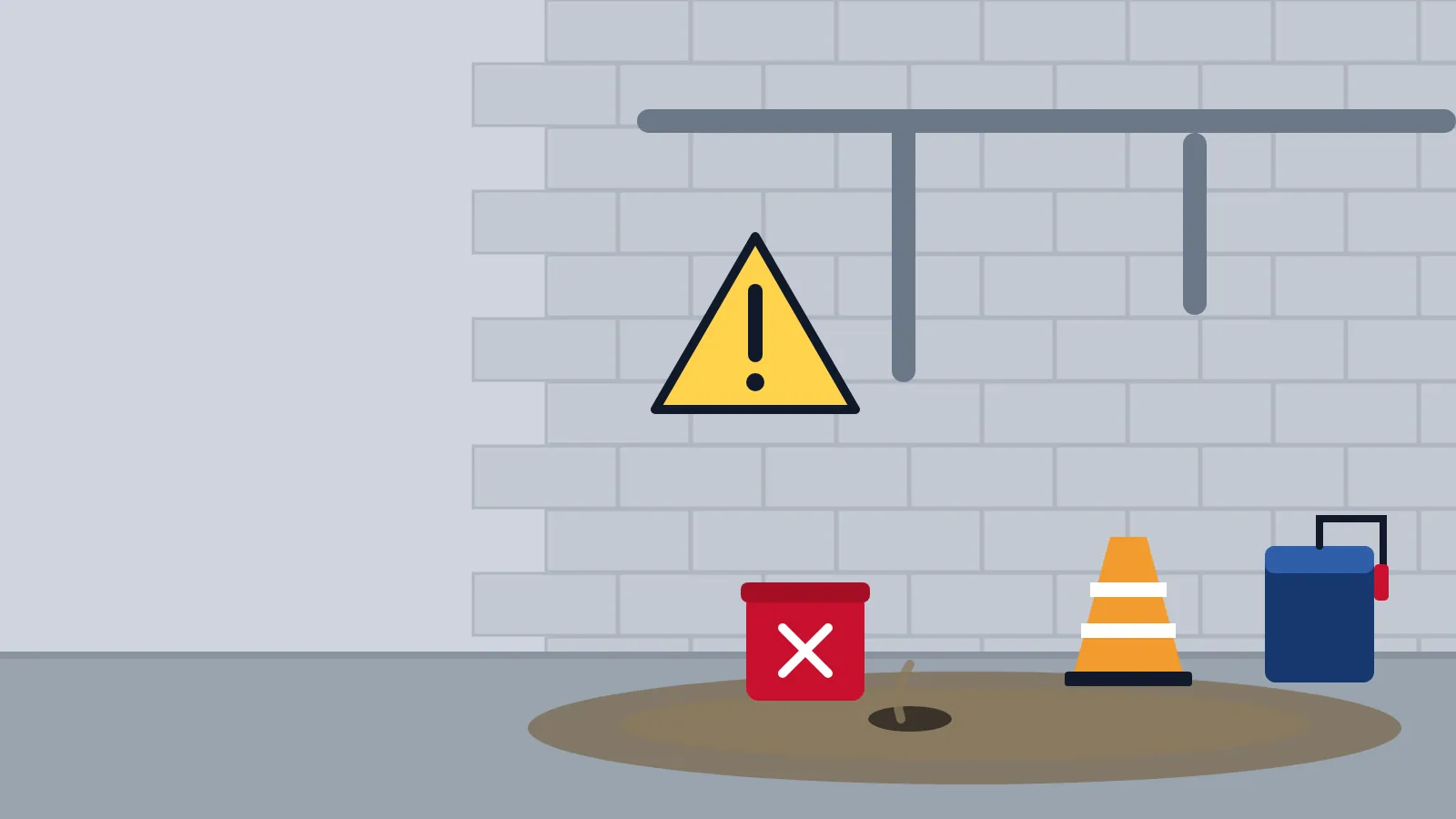
Many Philadelphia homes are row houses with basements, and much of the older city is served by a combined sewer system that carries both sewage and rain. Heavy storms can push sewage back into basements. Hoarding, trauma scenes and animal waste also need careful, trained cleanup.
Sifixit is a free referral service. Call the number on this page and you will be connected with an independent biohazard cleanup provider that serves the Philadelphia area, where one is available for your ZIP code. Calling costs nothing and you are never obliged to hire anyone.
Why biohazard cleanup is needed in Philadelphia
Combined sewers
Much of the older city uses a combined sewer system that carries both rainwater and sewage, which can back up into low basements during heavy storms.
Row house basements
Row houses often have basements with floor drains, which are the first places sewage and flood water reach.
Summer heat
Hot, humid summers speed up decay and odor after an unattended death or a sewage spill.
Hoarding
Hoarding cleanup is careful, slow work that often uncovers mold, pests and sharp objects.
Areas across Philadelphia
Sifixit connects callers across the city of Philadelphia, including neighborhoods such as Center City, South Philadelphia, Fishtown, Kensington, Germantown, Manayunk, Northern Liberties and Roxborough, and in nearby places such as Camden, Cherry Hill, Upper Darby, Norristown and Bensalem.
Sifixit does not have an office or staff in Philadelphia. Providers you speak to are independent local businesses, and availability depends on your ZIP code and the job.
Permits and local rules
Cleanup itself does not usually need a permit, but the repairs that follow often do. Inside the city of Philadelphia, larger drywall, electrical and plumbing repairs can require permits from the Philadelphia Department of Licenses and Inspections. Homes in other cities, such as Upper Darby, Norristown or Camden, follow the rules of that city or county.
In Pennsylvania, most home improvement contractors must register with the Office of Attorney General, and you can check a registration online.
Seasonal risks in Philadelphia
If anyone is hurt or in danger, call 911. After a death or a crime, the police and medical examiner must finish their work before cleanup begins.
- Summer: thunderstorms can bring sewage backups.
- Summer heat: speeds up decay and odor.
- Hurricane remnants: heavy rain can overwhelm sewers.
- All year: hoarding and trauma cleanup can be needed at any time.
Be prepared
- Ask a plumber about a backwater valve if your basement has flooded before
- Check whether your insurance includes sewer backup coverage
- Keep valuables off basement floors
- Report sewer problems to the Philadelphia Water Department or Philly311
- Keep drains clear of grease
Learn more before you call
Our main biohazard cleanup guide explains the warning signs, what affects the cost, what you can safely handle yourself and the questions to ask before you hire. It applies in Philadelphia just as it does everywhere else.
Philadelphia questions
Who handles sewer problems in Philadelphia?
The Philadelphia Water Department runs the public sewer system. Cleanup inside your home is usually the homeowner’s responsibility.
Is there help with crime scene cleanup costs in Pennsylvania?
Pennsylvania’s Victims Compensation Assistance Program may help eligible victims with crime scene cleanup costs. Check with the program directly.
Does insurance cover a basement sewer backup?
Often only with a sewer backup endorsement. Check your policy.
Does Sifixit have an office in Philadelphia?
No. Sifixit is a referral service. Providers you speak to are independent local businesses that serve the Philadelphia area.
Sifixit is a free referral service and does not provide home services. Calls may be answered by a partner call center or connected directly to independent local providers, who are solely responsible for their work, pricing, licensing and insurance.