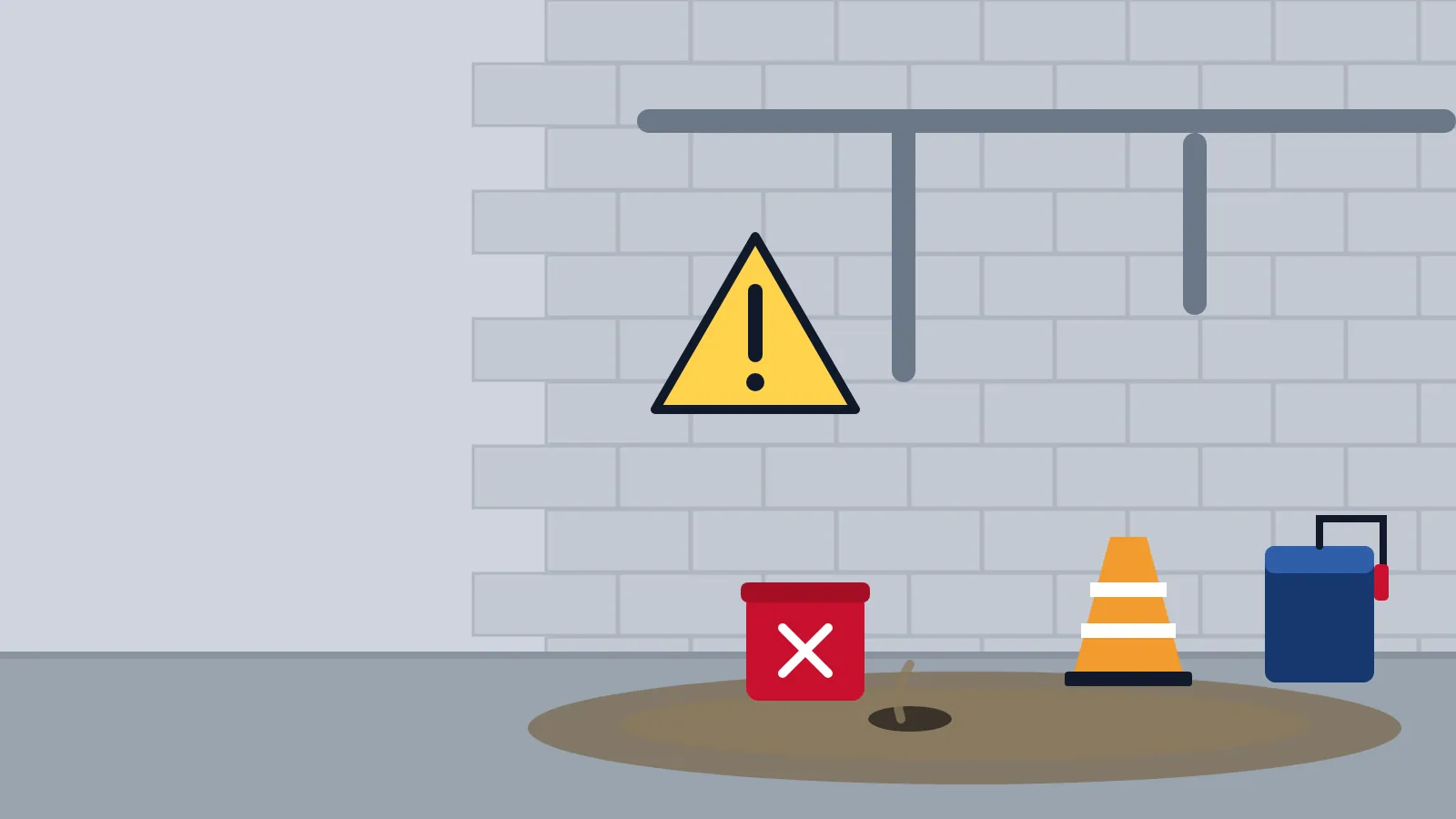
When someone dies at home and is not found for some time, the room can be left with serious biological contamination and a strong odor. Families and property owners should never have to clean this themselves. Specialist providers handle the work safely, carefully and with respect for the person who died and those they leave behind.
Sifixit is a free referral service. Call the number on this page and you will be connected with an independent biohazard cleanup provider where one serves your area. Calling costs nothing and you are never obliged to hire anyone.
When specialist cleanup is needed
Specialist cleanup is usually needed in these situations.
- A death that went unnoticed for a period of time
- Bodily fluids on floors, furniture or bedding
- A strong odor that has spread through the home
- Contamination that has soaked into flooring or walls
- A rental or shared building where others may be affected
- Belongings that need careful sorting and cleaning
What to do right now
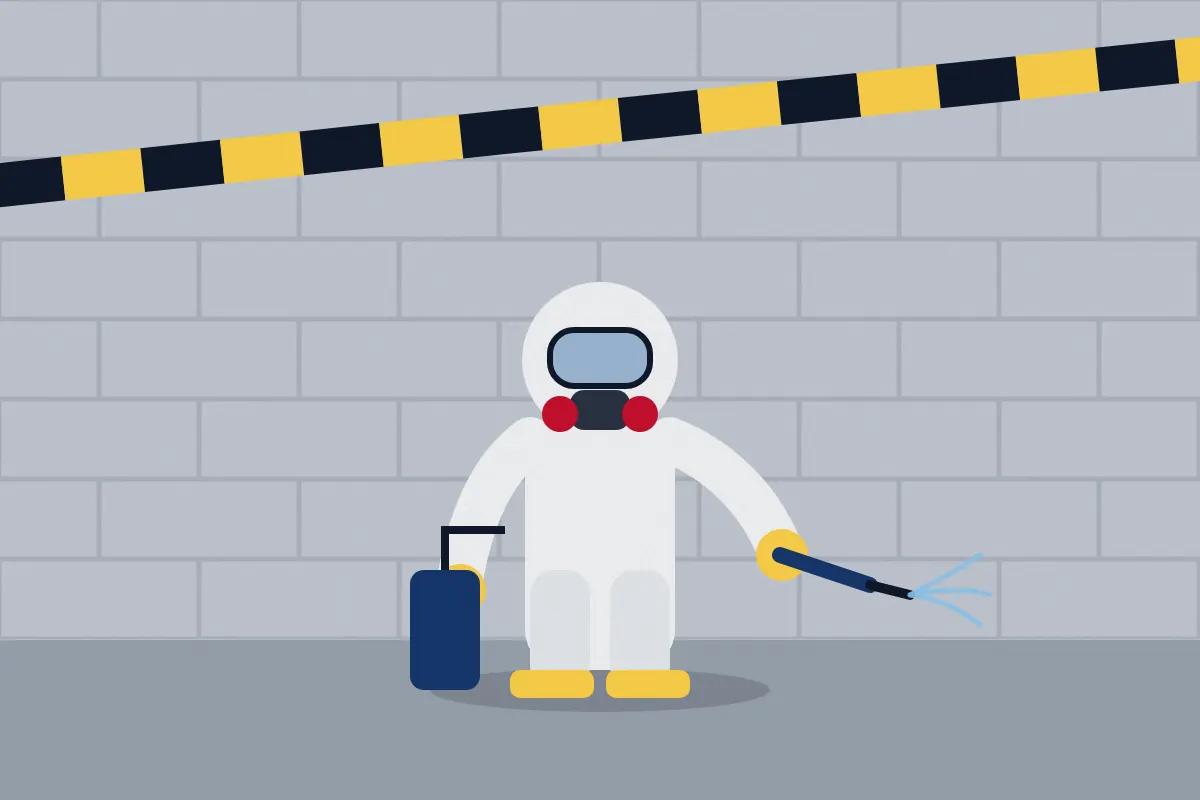
The police and medical examiner must finish their work first. Do not enter or clean the affected room yourself, as bodily fluids can carry disease.
- Wait for the police or medical examiner to release the home
- Keep the door to the affected room closed
- Turn off the heating and cooling system if odor is spreading
- Call a specialist cleanup provider
- Contact the insurer of the home, if there is one
- Tell the landlord or building manager if the home is rented
What the cleanup involves
Assessment
The provider checks how far contamination has spread, including under flooring and into walls.
Removal
Contaminated materials such as carpet, pad, mattresses and sections of flooring are removed and bagged.
Cleaning and disinfection
Every affected surface is cleaned and disinfected.
Odor removal
Once the source is removed, remaining odor is treated so the home can be used again.
How a specialist provider works
- The provider arrives in unmarked or discreet vehicles where possible, if you ask.
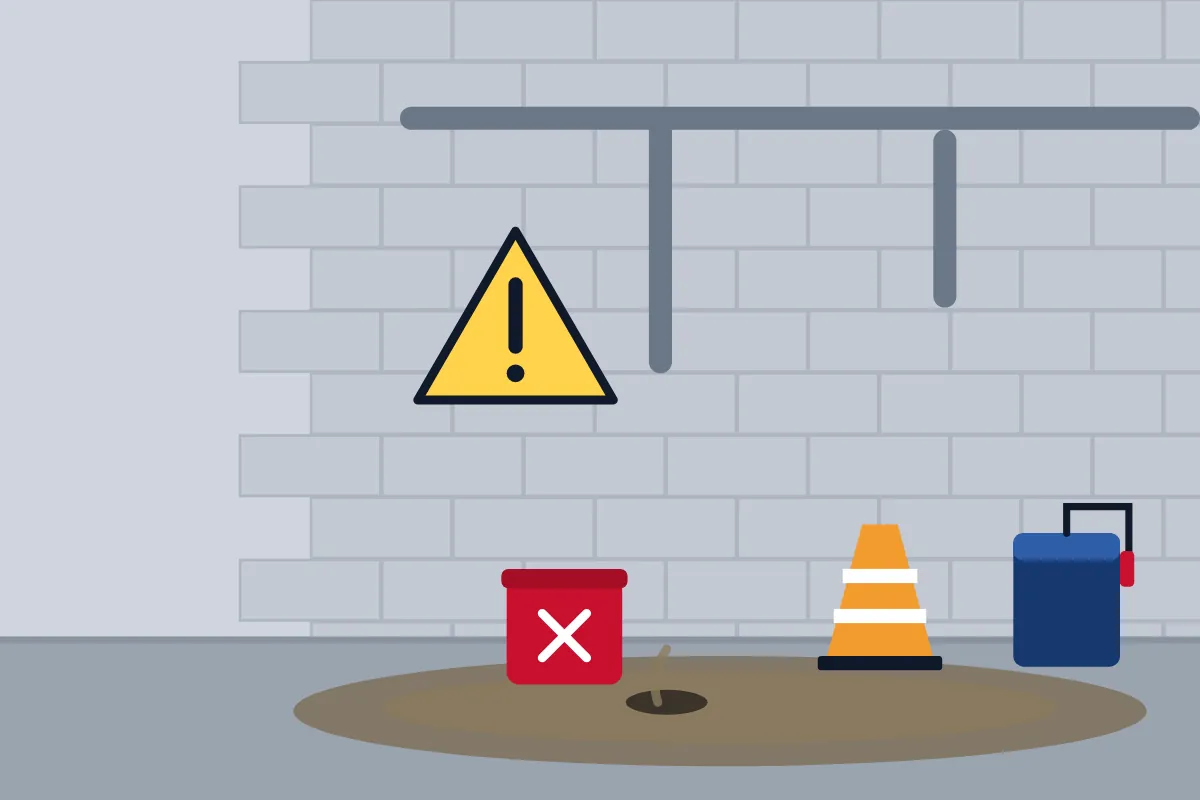
- Workers wear protective suits, gloves and respirators.
- Contaminated materials are removed and disposed of under waste rules.
- Surfaces are cleaned, disinfected and, where needed, tested.
- Personal items and keepsakes are set aside for the family where it is safe to do so.
Support for families
- You do not have to be present during the cleanup
- Ask the provider to set aside photos, documents and keepsakes
- Homeowners insurance often helps with cleanup costs, so check the policy
- Grief can be overwhelming, and talking to a counselor or support group can help
- If you are struggling, you can call or text 988 to reach the 988 Suicide and Crisis Lifeline
Questions to ask before you hire
- What protective equipment and training do your workers have?
- How will you handle personal belongings and keepsakes?
- Can you work discreetly?
- Will you work with the insurance company?
- How will you confirm the home is clean and safe?
Frequently asked questions
Who pays for unattended death cleanup?
Homeowners insurance often covers some or all of the cost. If the home is rented, the landlord’s insurance may be involved. Check the policy.
Can family members do the cleanup?
It is not recommended. Bodily fluids can carry disease, and the work needs protective equipment and proper disposal.
How long does cleanup take?
It depends on the extent of contamination. Many jobs take one to a few days, plus time for odor removal.
Will the odor go away?
Yes, once the contaminated materials are removed and the area is cleaned and treated.
Learn more
Our main biohazard cleanup guide covers the wider picture, including what affects the cost and when to call a professional.
Sifixit is a free referral service and does not provide home services. Calls may be answered by a partner call center or connected directly to independent local providers, who are solely responsible for their work, pricing, licensing and insurance.