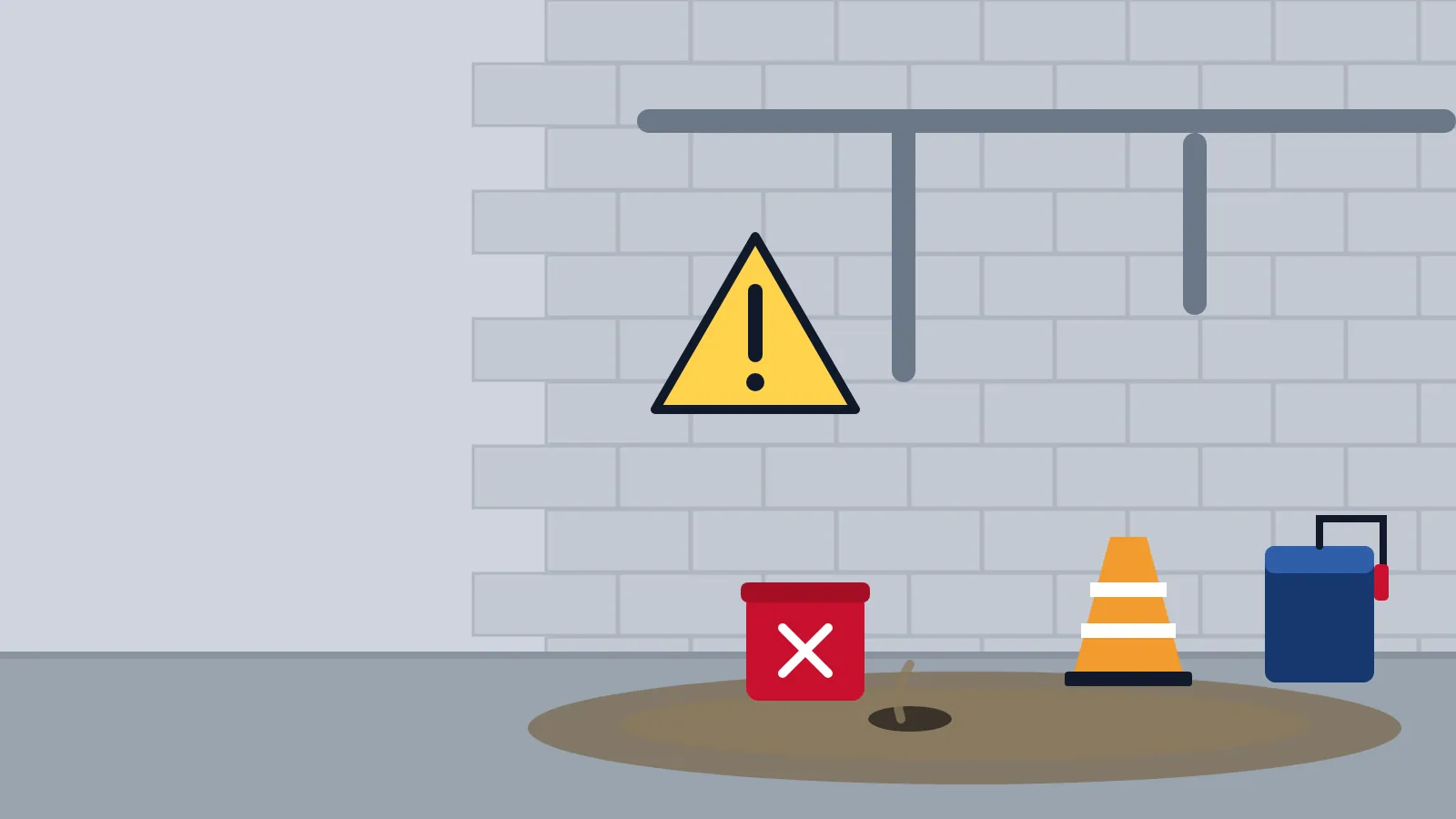
Biohazard cleanup costs depend on what happened, how far contamination spread and how long it went unnoticed. A small sewage backup is a very different job from cleanup after an unattended death, so there is no single price.
Sifixit does not publish price numbers unless we can name a trustworthy source for them. This page explains how pricing works so you can understand and compare the quotes you receive.
How pricing usually works
A biohazard cleanup bill usually covers these parts.
Assessment
Finding how far contamination has spread, including under flooring and into walls.
Removal and disposal
Removing contaminated materials and disposing of them as regulated waste.
Cleaning and disinfection
Cleaning and disinfecting every affected surface, sometimes with testing afterwards.
Odor removal and repairs
Treating remaining odor and replacing removed flooring or drywall.
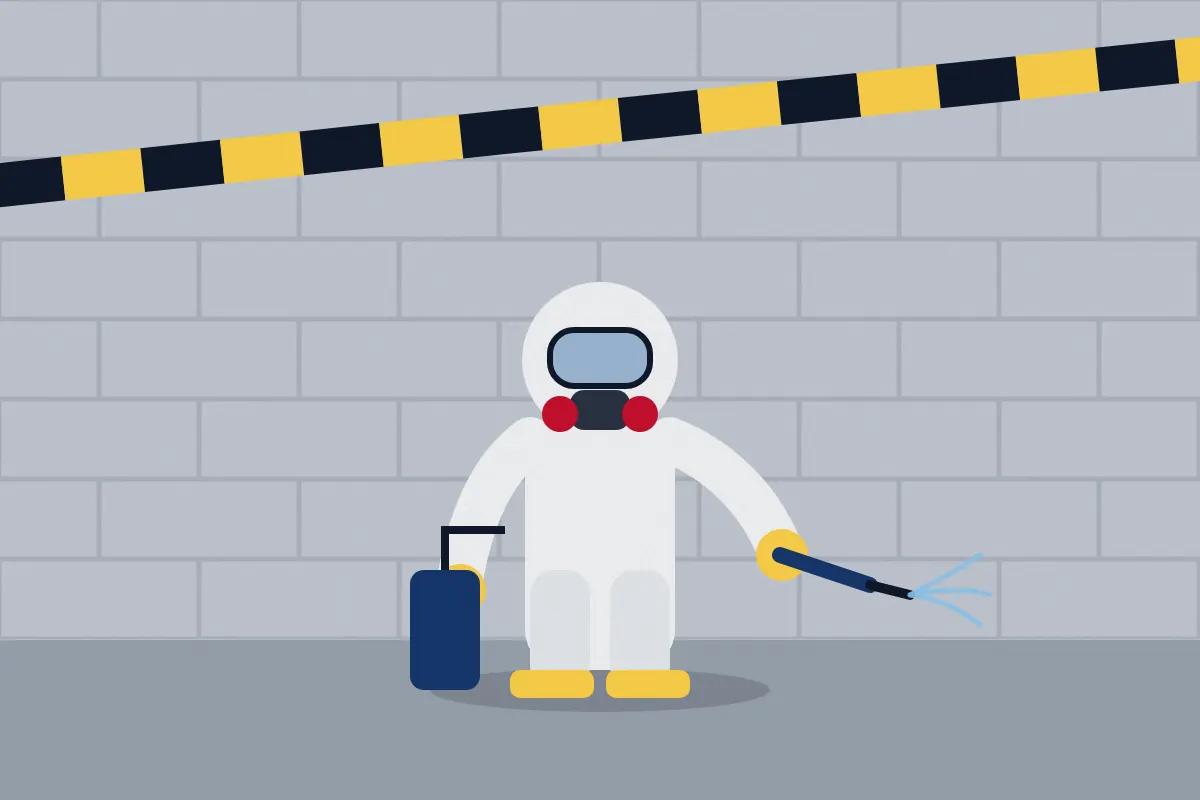
What makes the price go up or down
- The type of biohazard
- How large the affected area is
- How long the material has been there
- How much material must be removed
- Waste disposal requirements
- Whether odor treatment is needed
- Access and the number of workers needed
Insurance and your costs
Homeowners insurance often helps with cleanup after an unattended death or trauma, and sewer backup coverage may help with sewage. Crime victims compensation programs may help eligible victims.
- Call the insurer of the home early
- Ask a victim advocate about crime victims compensation, if a crime was involved
- Ask the provider to document the work for insurance
- Keep every receipt
- Check whether your policy has a sewer backup endorsement
How to compare quotes
- Check that each quote lists removal, disposal and disinfection
- Ask whether odor treatment is included
- Ask how they will confirm the area is clean
- Ask about discretion if it matters to you
- Check what is excluded
Warning signs in a quote
- A price without seeing the scene
- No mention of protective equipment or waste disposal
- Pressure at a painful moment
- Full payment demanded upfront
- No proof of insurance
Frequently asked questions
Who pays for biohazard cleanup?
Often the property owner’s insurance. Crime victims compensation may help after a crime. Sewer backups usually need a sewer backup endorsement.
Why is biohazard cleanup specialized?
Because blood, bodily fluids and sewage can carry disease, and waste must be handled and disposed of under strict rules.
Can the family clean it to save money?
It is not recommended, for health and emotional reasons. Trained providers have the right equipment and disposal methods.
Is the cleanup billed by the hour?
Some providers bill by time and materials, others by the job. Ask how they price before work starts.
Learn more
Our main biohazard cleanup guide explains the warning signs, what to do first and when to call a professional.
Sifixit is a free referral service and does not provide home services. Calls may be answered by a partner call center or connected directly to independent local providers, who are solely responsible for their work, pricing, licensing and insurance.