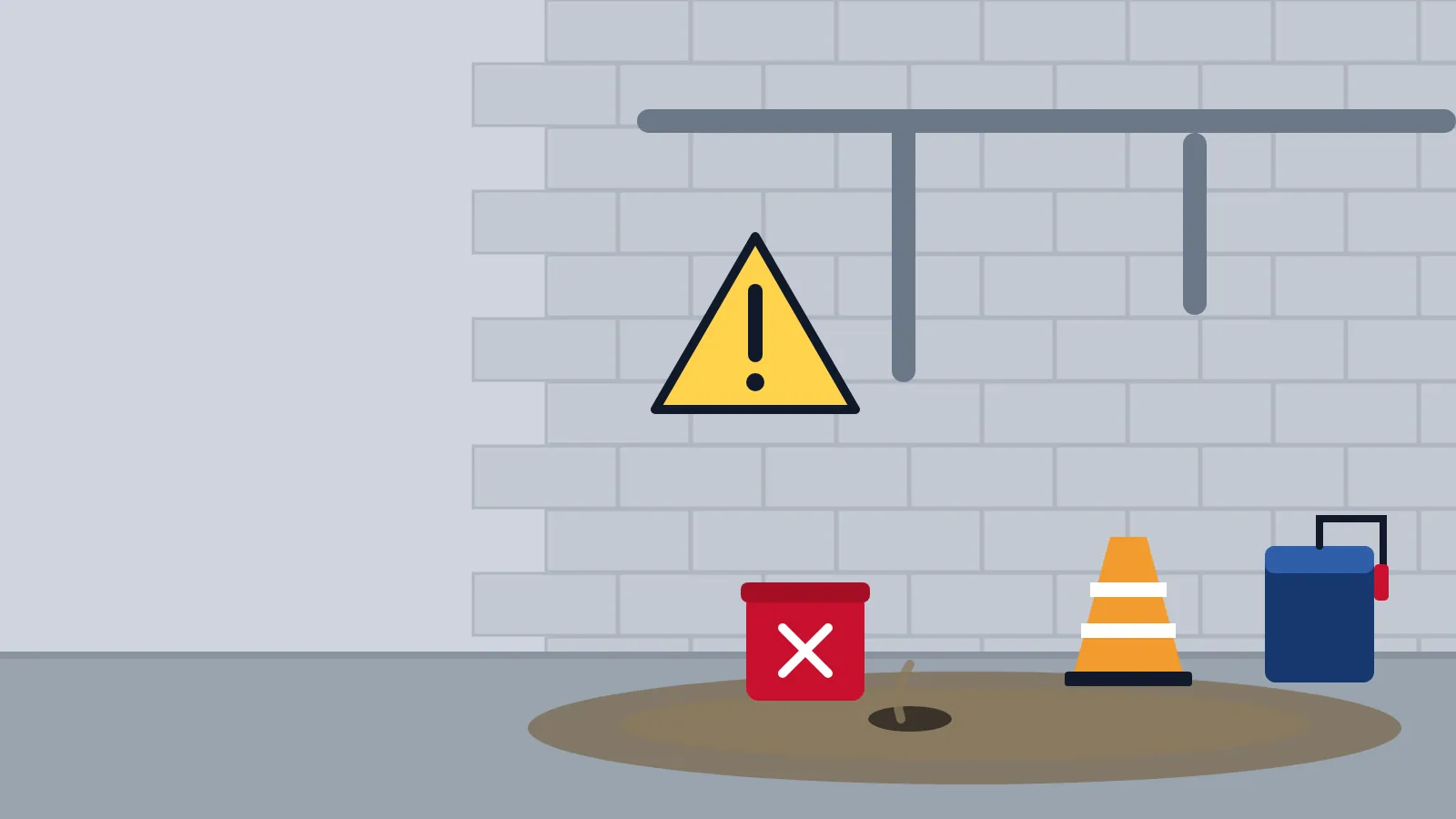
After a crime, an accident or a suicide, the scene can be left with blood and other biological material that carries a real health risk. Cleaning it is not something family members or property owners should face. Trained providers handle this work safely, discreetly and with care.
Sifixit is a free referral service. Call the number on this page and you will be connected with an independent biohazard cleanup provider where one serves your area. Calling costs nothing and you are never obliged to hire anyone.
When trauma scene cleanup is needed
Specialist cleanup is needed in situations like these.
- Blood or bodily fluids after a crime, accident or suicide
- Material that has soaked into carpet, furniture or walls
- Broken glass or sharp objects mixed with biological material
- A scene inside a home, vehicle or business
- Areas where fingerprint powder or other residue was left
- Any situation where people could be exposed to bloodborne disease
What to do right now
Do not enter or clean the scene until the police have released it. Blood can carry diseases such as hepatitis and HIV, so avoid touching anything.
- Wait until the police release the scene
- Keep the area closed off
- Ask the police or victim advocate about compensation programs
- Call a trauma scene cleanup provider
- Contact the property’s insurer
- Arrange for others to handle the cleanup so you do not have to
What the cleanup involves
Safe removal
Biological material and anything soaked by it is removed and bagged as regulated waste.
Cleaning and disinfection
Every affected surface is cleaned and disinfected to remove health risks.
Restoration
Damaged flooring, drywall and fixtures are removed so the space can be repaired.
Odor and residue
Remaining odor and residue, such as fingerprint powder, are treated.
How a trained provider works
- The provider follows the OSHA Bloodborne Pathogens Standard for protective equipment and waste.
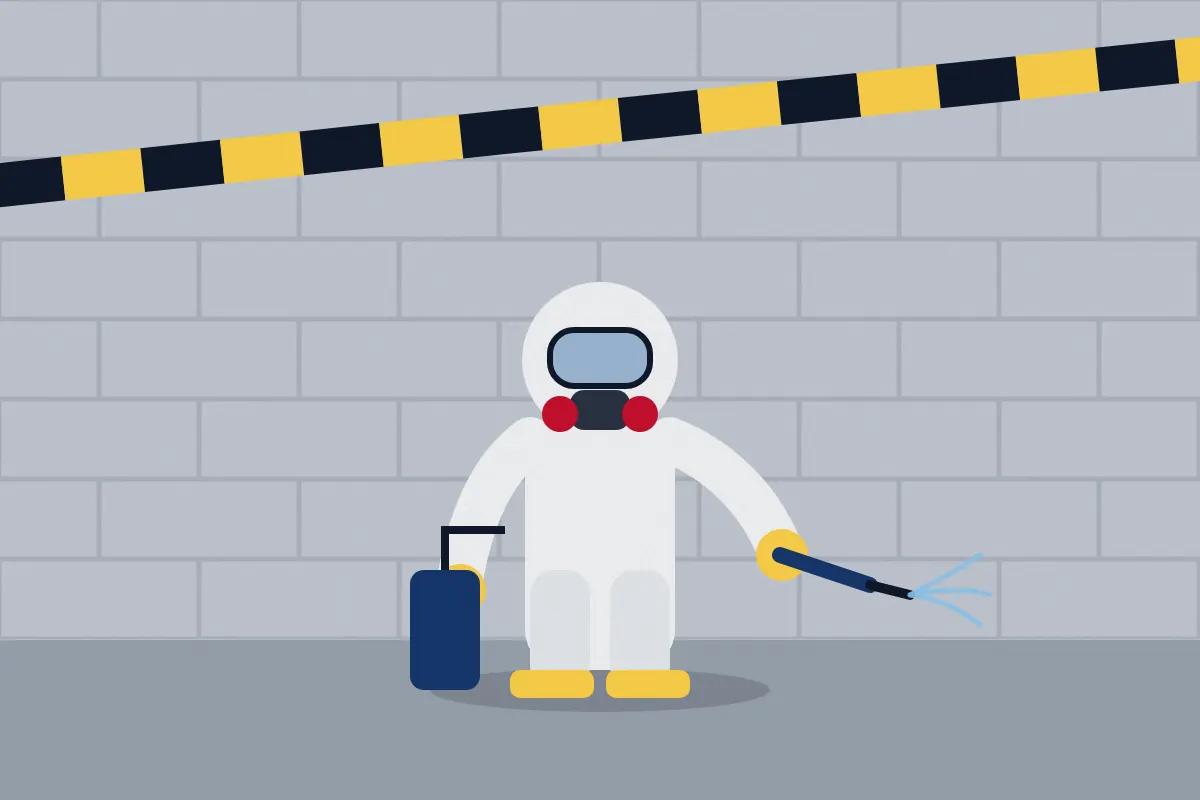
- Workers wear suits, gloves, eye protection and respirators.
- Contaminated items are removed and disposed of under state and local rules.
- Surfaces are cleaned, disinfected and, where needed, tested.
- The provider works discreetly and keeps the family informed.
Help and support
- Most states have a crime victims compensation program that may help with cleanup costs, so ask a victim advocate
- Homeowners insurance may also cover some costs
- You do not need to be present for the cleanup
- Talking to a counselor, support group or trusted person can help after trauma
- If you or someone you know is struggling, call or text 988 to reach the 988 Suicide and Crisis Lifeline
Questions to ask before you hire
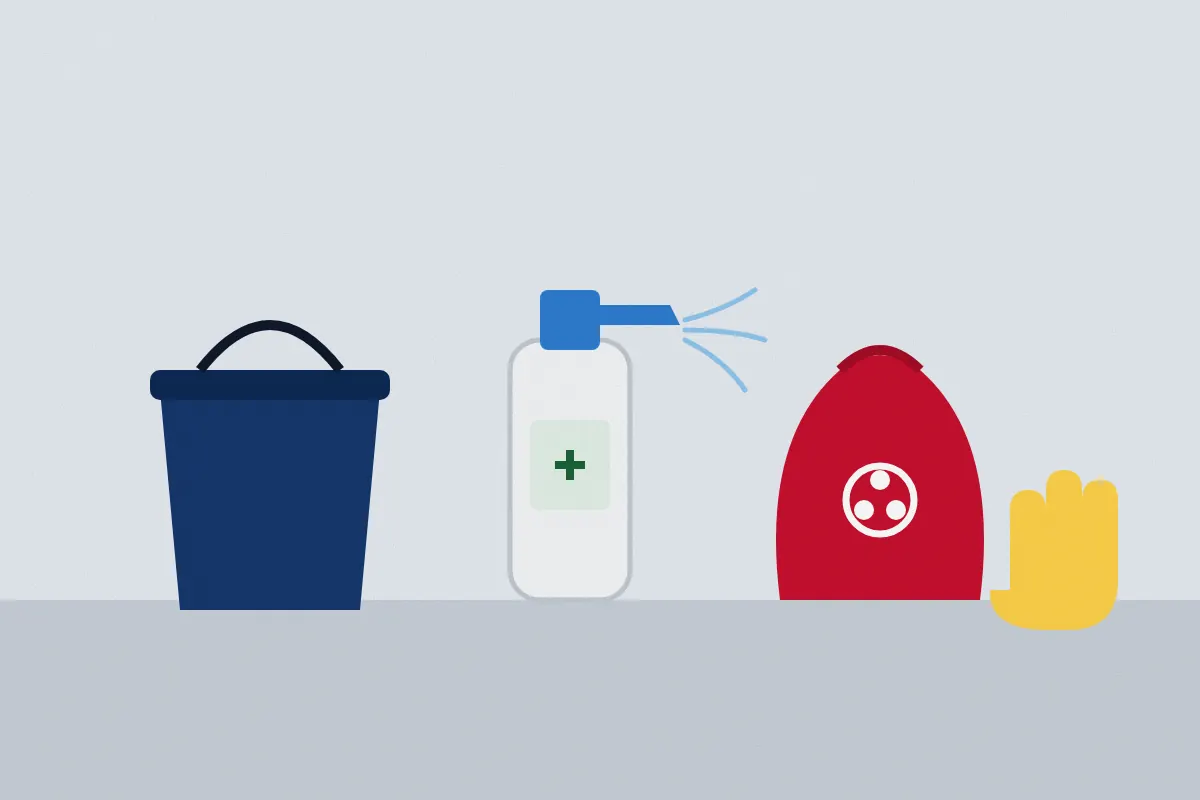
- What training and protective equipment do your workers have?
- How do you dispose of biohazard waste?
- Can you work discreetly?
- Will you work with insurance or a victims compensation program?
- How will you confirm the area is safe?
Frequently asked questions
Do the police clean up a crime scene?
No. The police collect evidence, but cleanup is the responsibility of the property owner, which is why specialist providers exist.
Is help available to pay for cleanup?
Most states run crime victims compensation programs that may cover cleanup for eligible victims. Homeowners insurance may also help.
How long does trauma scene cleanup take?
Many jobs are finished in a day or two, depending on the extent of the scene.
Will anyone know what happened?
Many providers work discreetly. Ask about it on the first call.
Learn more
Our main biohazard cleanup guide covers the wider picture, including what affects the cost and when to call a professional.
Sifixit is a free referral service and does not provide home services. Calls may be answered by a partner call center or connected directly to independent local providers, who are solely responsible for their work, pricing, licensing and insurance.