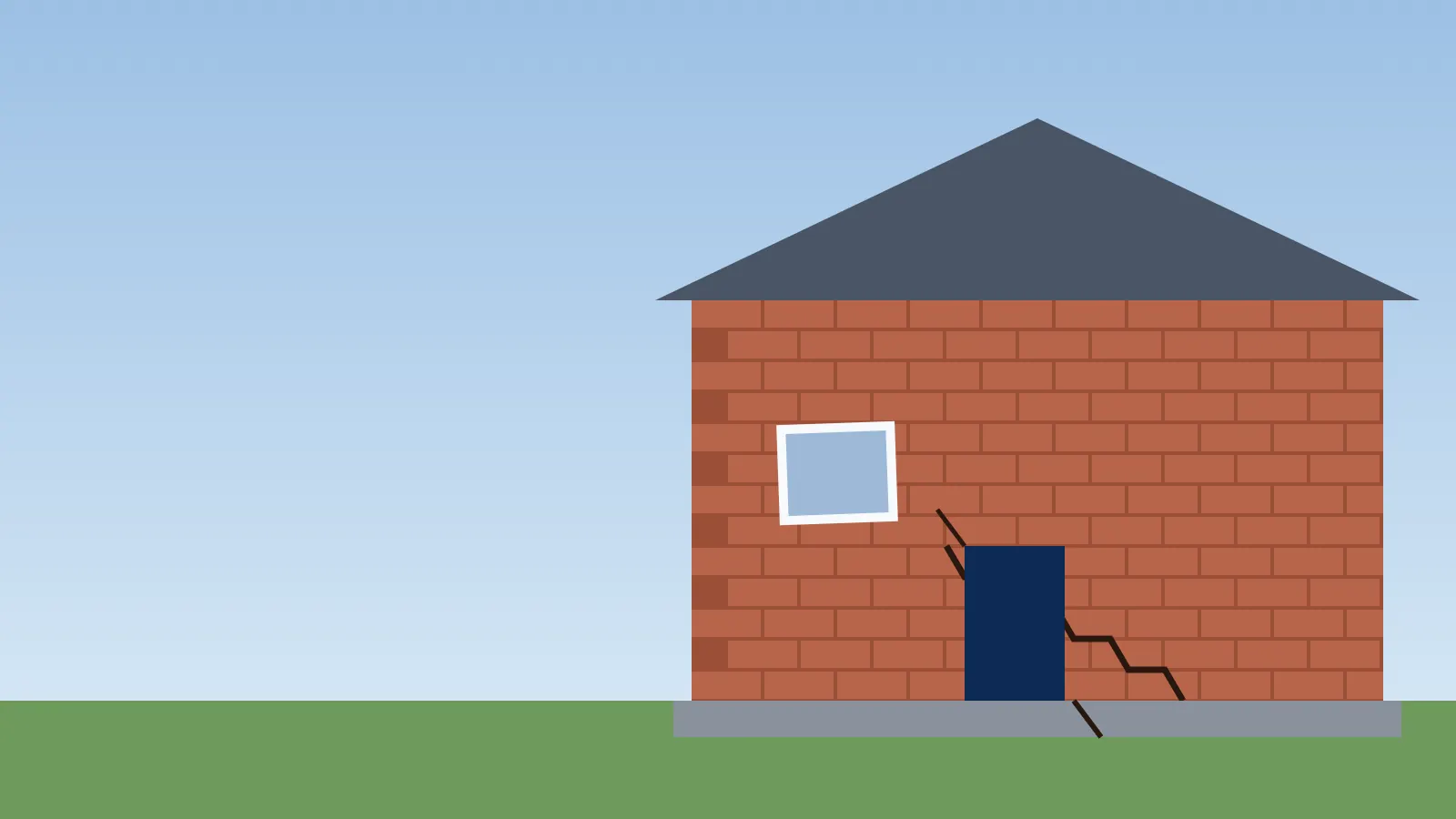
Dallas sits on some of the most expansive clay in the country, known as Blackland Prairie clay. It swells in wet weather and shrinks in drought, and both older pier and beam homes and newer slab homes move with it. Foundation repair is a normal part of owning a home here.
Sifixit is a free referral service. Call the number on this page and you will be connected with an independent foundation repair provider that serves the Dallas area, where one is available for your ZIP code. Calling costs nothing and you are never obliged to hire anyone.
Why foundations move in Dallas
Blackland Prairie clay
Dallas clay soils can swell and shrink dramatically, lifting and dropping parts of a foundation.
Pier and beam homes
Many older homes in neighborhoods such as Lakewood and the M Streets sit on pier and beam foundations that can sag and settle.
Slab homes
Newer homes on slabs often show movement as cracks in walls, floors and brick.
Drought and rain
Long dry spells followed by heavy rain, like the August 2022 storms, make the soil move more.
Areas across Dallas
Sifixit connects callers across the city of Dallas, including neighborhoods such as Uptown, Oak Lawn, Lakewood, Lake Highlands, Preston Hollow, Oak Cliff and Pleasant Grove, and in nearby cities such as Irving, Garland, Mesquite, Richardson, Plano, Carrollton and Grand Prairie.
Sifixit does not have an office or staff in Dallas. Providers you speak to are independent local businesses, and availability depends on your ZIP code and the job.
Permits and local rules
Cleanup itself does not usually need a permit, but the repairs that follow often do. Inside the city of Dallas, larger drywall, electrical and plumbing repairs can require permits from the City of Dallas Development Services Department. Homes in other cities, such as Irving, Garland or Plano, follow the rules of that city or county.
Texas regulates mold work through the Texas Department of Licensing and Regulation. If smoke or firefighting water leads to mold, larger remediation jobs must be done by a licensed company.
Seasonal risks in Dallas
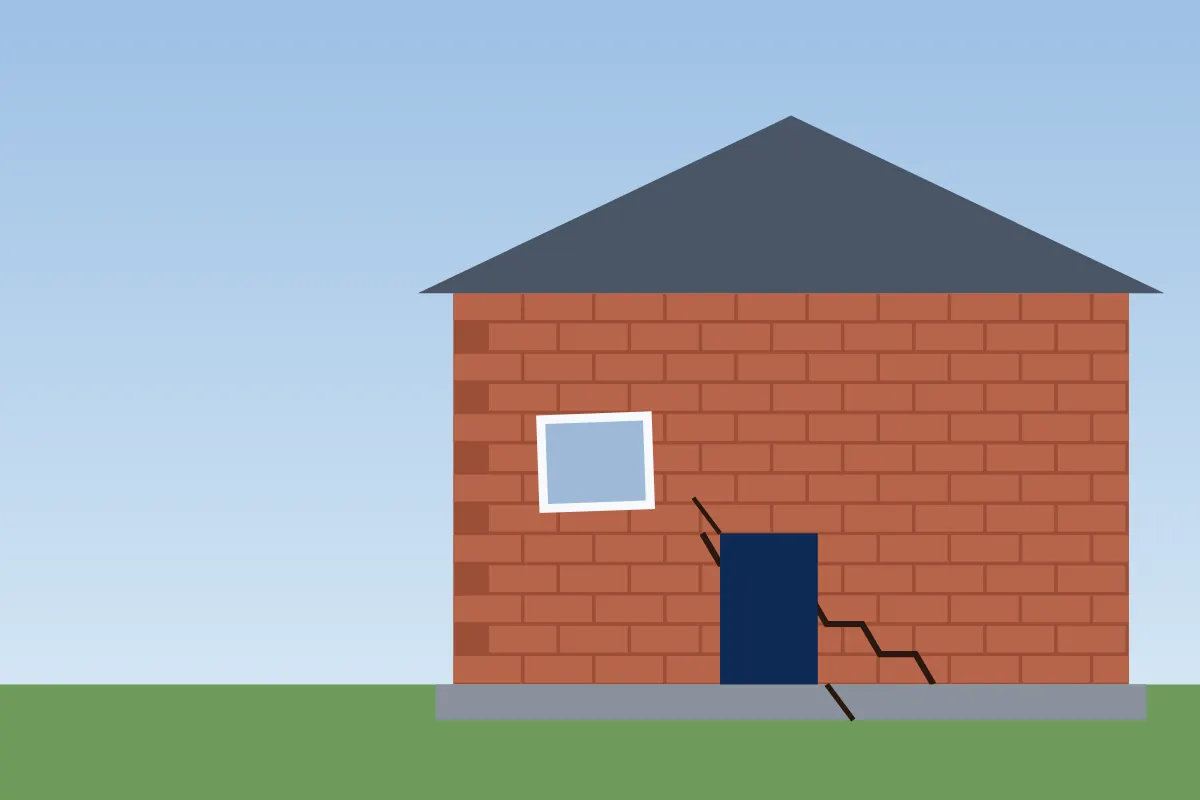
If a wall bows sharply, a ceiling sags or cracks open suddenly, keep people out of the area and call for an inspection right away.
- Summer drought: soil shrinks and foundations settle.
- Spring rains: soil swells and heaves.
- After heavy storms: poor drainage adds to movement.
- All year: trees and plumbing leaks affect soil moisture.
Be prepared
- Keep gutters and downspouts working and pointed away from the house
- Make sure soil slopes away from the foundation
- Water the soil around the foundation evenly during long droughts
- Keep large trees away from the foundation
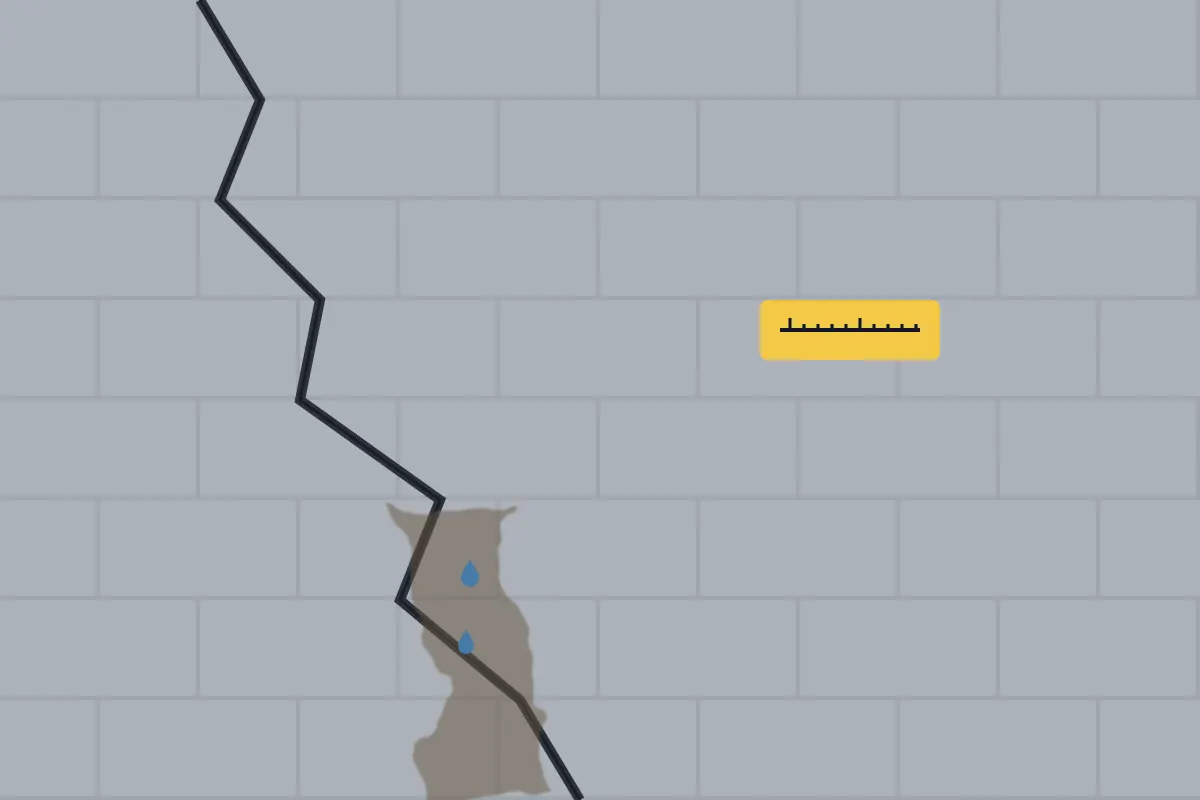
- Mark the ends of cracks with the date to see if they grow
Learn more before you call
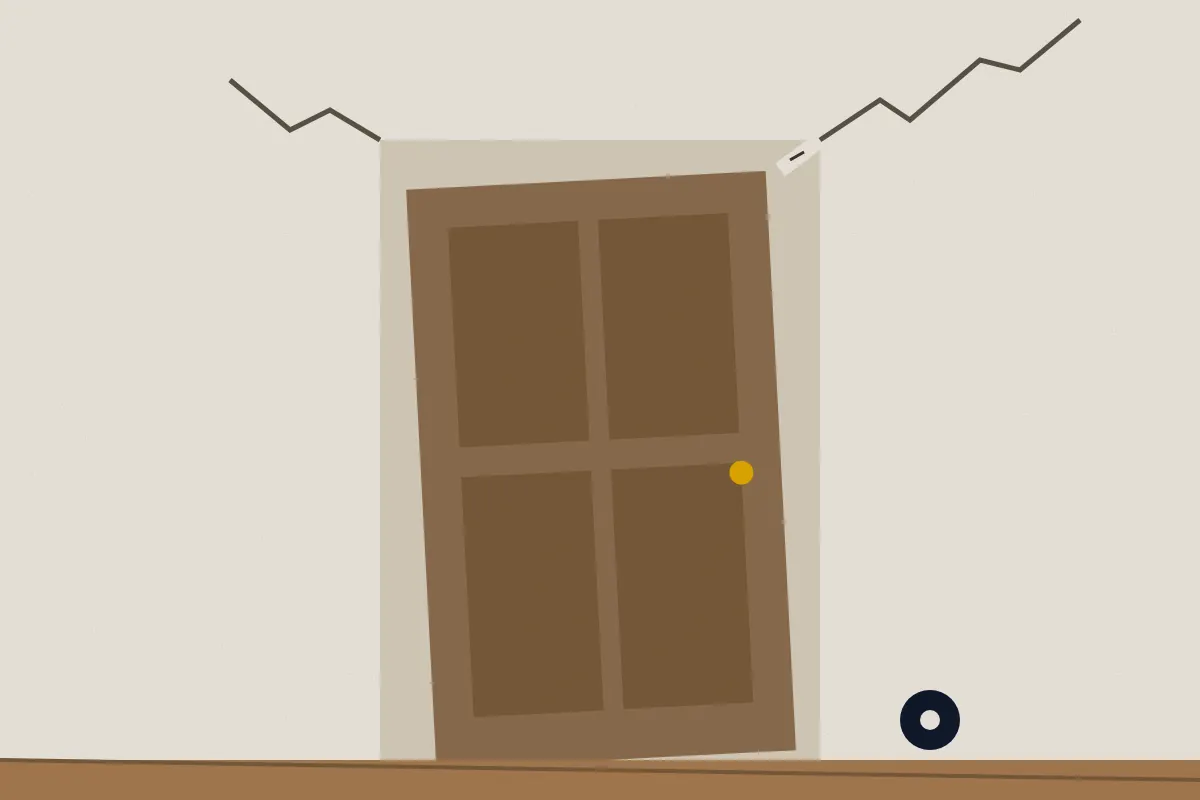
Our main foundation repair guide explains the warning signs, what affects the cost, what you can safely handle yourself and the questions to ask before you hire. It applies in Dallas just as it does everywhere else.
Dallas questions
Why do Dallas foundations move so much?
The Blackland Prairie clay under much of the city swells and shrinks with moisture, and foundations move with it.
What is the difference between pier and beam and slab repair?
Pier and beam homes are often leveled by adjusting or adding supports under the floor, while slab homes are usually supported with piers driven under the slab.
Should I get an engineer's report?
For wide, growing or offset cracks, an independent structural engineer’s opinion is worth getting before repair.
Does Sifixit have an office in Dallas?
No. Sifixit is a referral service. Providers you speak to are independent local businesses that serve the Dallas area.
Sifixit is a free referral service and does not provide home services. Calls may be answered by a partner call center or connected directly to independent local providers, who are solely responsible for their work, pricing, licensing and insurance.