Water mitigation is the first stage of water damage repair: stopping the water, removing it and drying the home quickly so the damage does not spread. Restoration, which comes next, repairs and rebuilds what had to be removed. Insurers often treat mitigation as urgent, because acting fast limits the claim.
Mitigation crews extract water, remove wet carpet pad and drywall where needed, set up dehumidifiers and air movers, and take daily moisture readings until everything is dry.
When you need water mitigation
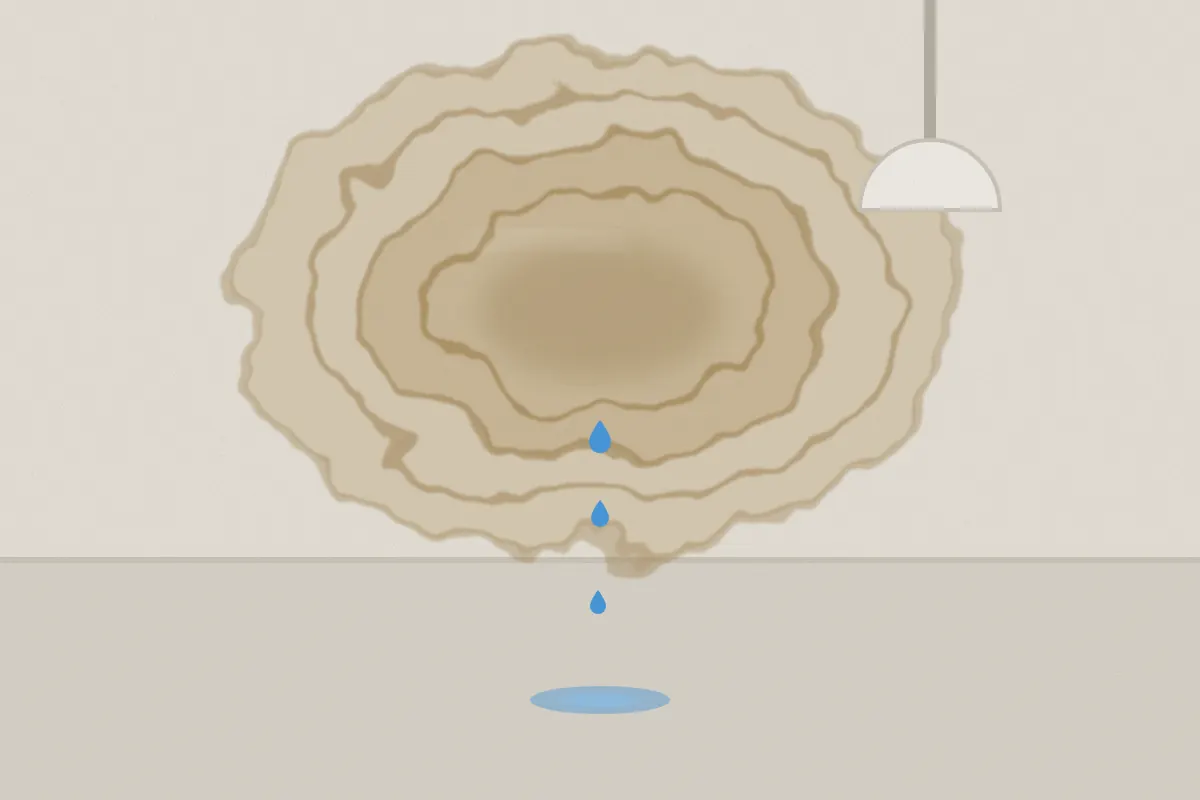
- Any burst pipe, appliance leak or roof leak inside the home
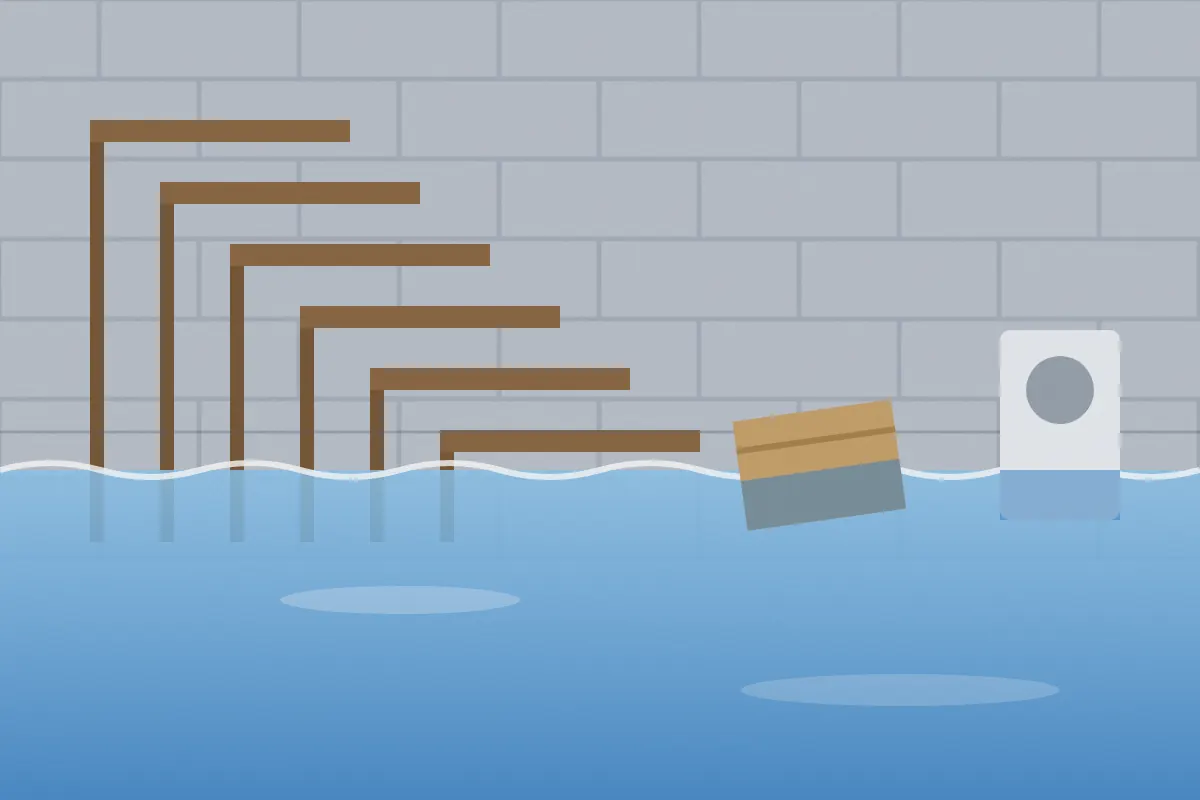
- Flooded basements and crawl spaces
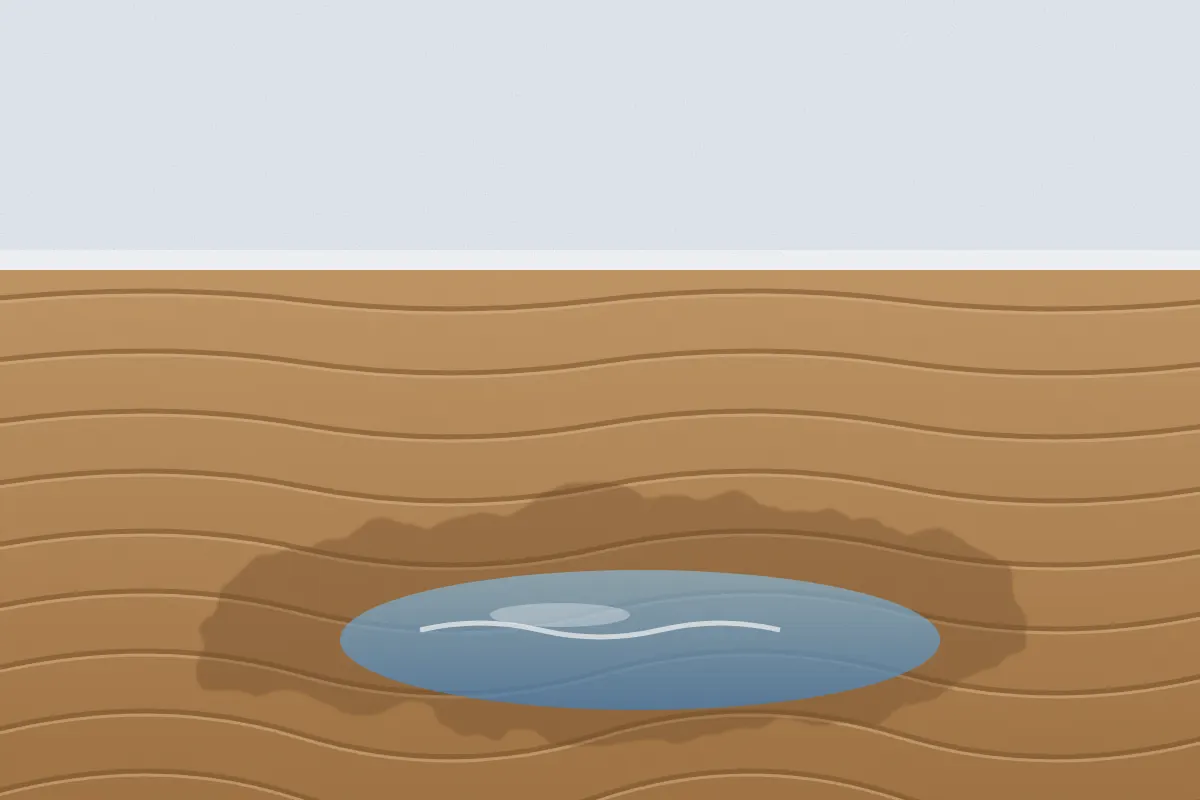
- Wet carpet, drywall or hardwood
- Water from storms, once the source is stopped
What the job involves
- Stop the source and make the area safe.
- Extract standing water.
- Remove wet materials that cannot be dried, such as carpet pad.
- Set up drying equipment and measure moisture daily.
- Confirm everything is dry before restoration begins.
What affects the cost
Sifixit does not quote prices, because every job is different. These are the things that move the price up or down, so you can compare quotes fairly:
- Amount of water and area affected
- Clean, gray or contaminated water
- Materials removed
- Days of drying equipment
- Mold prevention treatment
Insurance
Most homeowners policies expect you to take reasonable steps to prevent more damage, and mitigation is usually part of a covered water claim from a sudden event. Keep the mitigation company’s moisture logs and photos for your adjuster.
Licensing by state
Rules differ a lot between states. Here is who licenses this work in the states Sifixit covers most. Always ask for the license number and check it with the state.
- Most states do not license water damage or fire restoration companies. Ask about IICRC certification, insurance and references instead.
- Texas, Florida, Louisiana and New York license mold work, which matters if mold is found during mitigation.
Local help for water mitigation
- Water damage restoration in Atlanta, GA
- Water damage restoration in Dallas, TX
- Water damage restoration in Houston, TX
- Water damage restoration in Phoenix, AZ
- Water damage restoration in Seattle, WA
- Water damage restoration in Arlington, TX
Quick answers: water mitigation
What is the difference between water mitigation and restoration?
Mitigation stops and dries the water damage. Restoration repairs and rebuilds afterwards.
How fast should water mitigation start?
As soon as possible, ideally within 24 to 48 hours, to limit mold.
Does insurance pay for water mitigation?
Usually, as part of a covered sudden water claim.
How long does water mitigation take?
Often three to five days of drying, depending on the damage.
Is water mitigation available 24 hours?
Calls to the number on this page are answered 24 hours a day.
Looking for water mitigation? Call the number on this page to be connected with an independent local provider. For more background, see FEMA’s flood insurance pages.
This site is a free service to assist homeowners in connecting with local service contractors. All contractors are independent and this site does not warrant or guarantee any work performed. It is the responsibility of the homeowner to verify that the hired contractor furnishes the necessary license and insurance required for the work being performed. All persons depicted in a photo or video are actors or models and not contractors listed on this site.
Helpful guides
- Water leaking from the unit above youWhat to do when water leaks into your apartment or condo from the unit above, and who usually...
- Washing machine flooded the laundry roomWhat to do when a washing machine floods the laundry room, from stopping the water to drying the...
- Water damaged hardwood floors: can they be saved?Often, yes, if the water was clean and drying starts within a day or two.
- What to do after a flood in your homeReturn only when officials say it is safe, keep the power off until an electrician checks it, and...
- Washing machine and appliance leaks: how to prevent and handle themWashing machines, water heaters, dishwashers, refrigerator ice makers and toilets cause many household water damage claims, usually from...
- Can you stay in your house during water damage restorationOften yes, if the damage is limited to a few rooms of clean water, the power is safe...