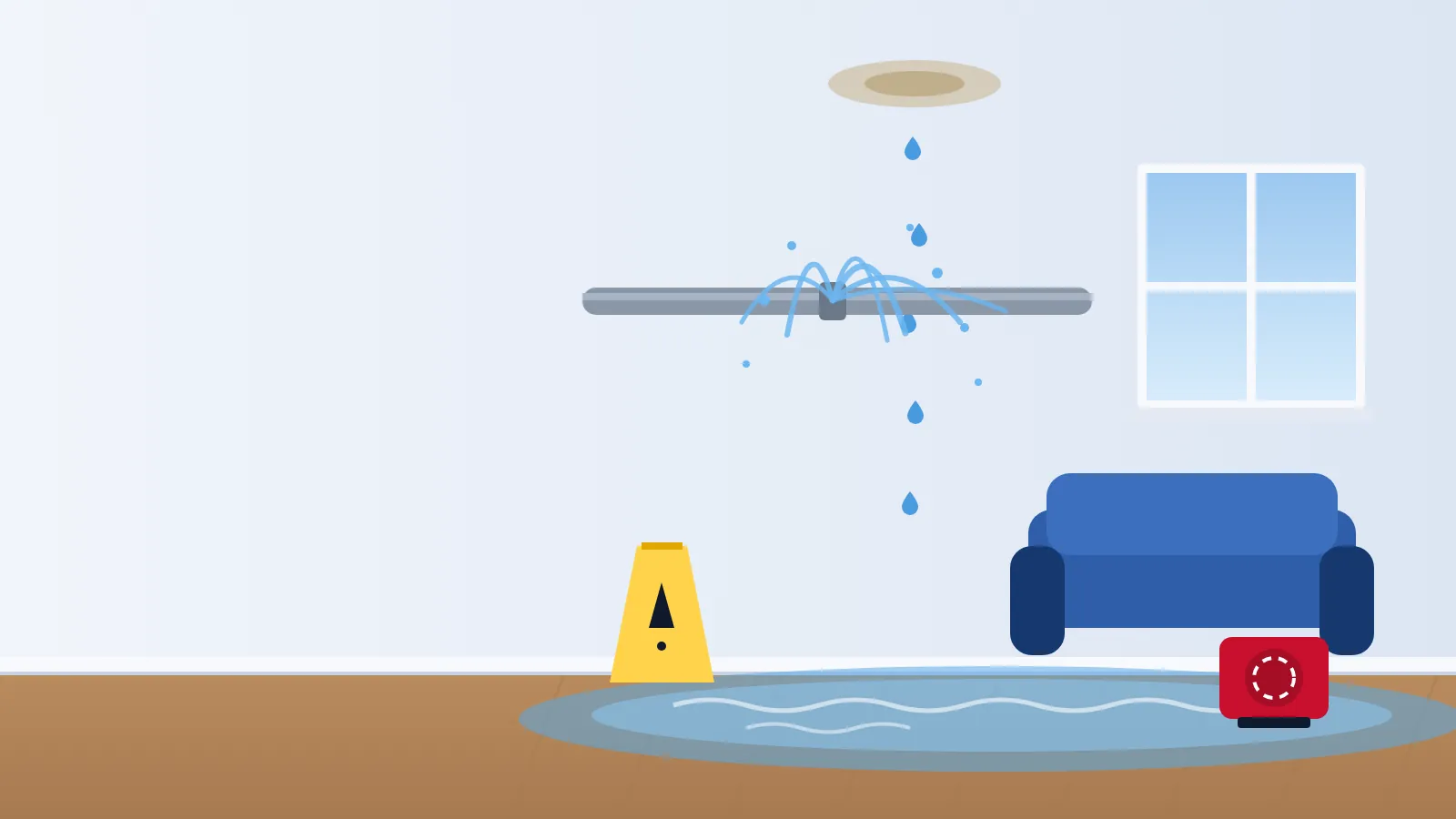
Storms and floods bring water into homes in ways a leaking pipe never does: rising water from outside, wind driven rain through walls and roofs, and water that carries mud, sewage and chemicals. Cleaning up safely, and quickly, matters for your health and your home.
Sifixit is a free referral service. Call the number on this page and you will be connected with an independent water damage restoration provider where one serves your area. Calling costs nothing and you are never obliged to hire anyone.
Signs of storm and flood damage
After a storm, check the whole home, not just the rooms you can see water in.
- Water or mud inside the home after rain or rising water
- A water line on walls, doors or furniture
- Wet or damaged drywall, insulation and flooring
- Water stains on ceilings after wind driven rain
- A musty smell in the days after the storm
- Damaged roofing, siding or windows letting rain in
What to do right now
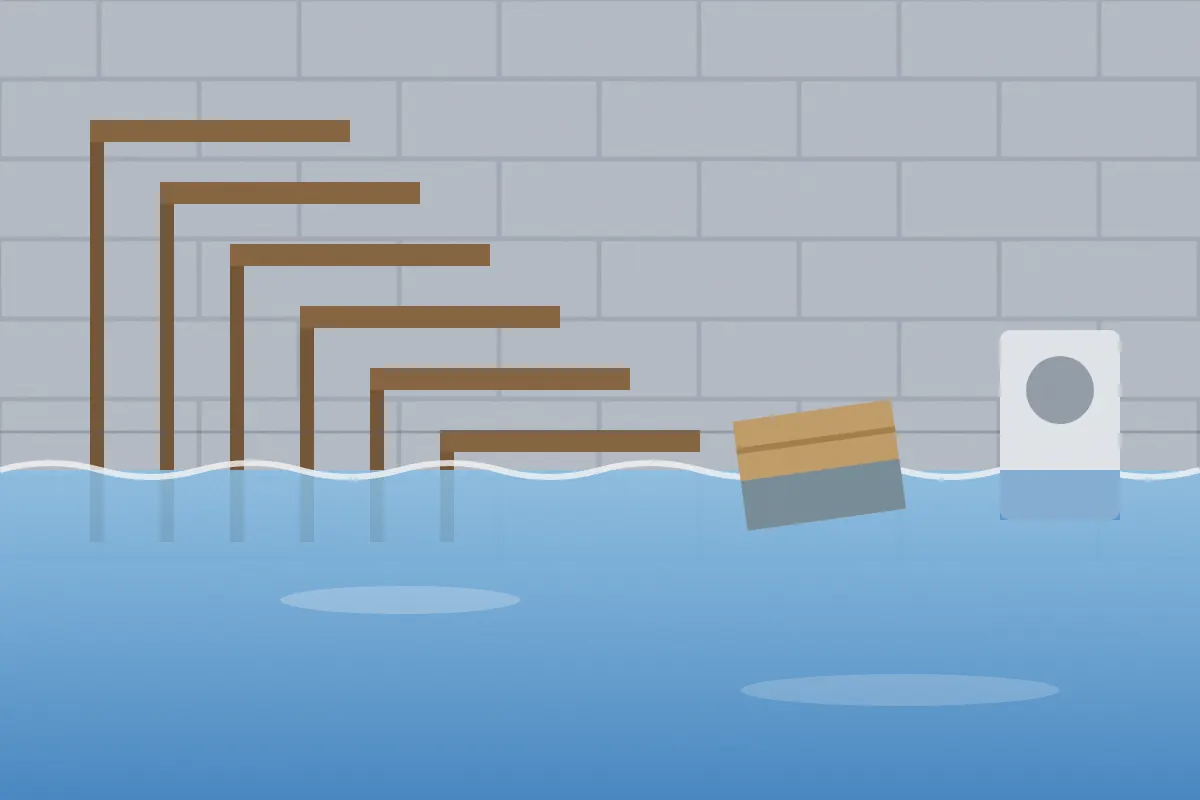
Do not go back into a flooded home until officials say it is safe. Never walk or drive through flood water, and stay away from water near electrical outlets or downed power lines.
- Wait until it is safe to return
- Have the power turned off if water reached outlets or the panel
- Wear boots and gloves, since flood water can carry sewage and chemicals
- Take photos and video of everything before cleaning
- Call your insurer, and your flood insurer if you have one
- Call a restoration provider as soon as possible
How storms get water into homes
Rising flood water
Water from overflowing rivers, creeks, streets or storm surge that flows into the home from outside.
Wind driven rain
Strong winds push rain through gaps in roofs, windows, doors and siding.
Roof damage
Missing shingles and fallen trees open the roof and let rain pour in.
Sewer and drain backups
Heavy rain can overload sewers and push water up through floor drains.
How a professional cleans up after a flood
- The provider checks the home is safe and the power is off where needed.
- Water and mud are pumped out and removed.
- Flood water is treated as contaminated, so soaked porous materials are usually removed.
- Surfaces are cleaned and disinfected.
- Air movers and dehumidifiers dry the structure until moisture readings are normal.
- Repairs follow once everything is dry.
Getting ready for the next storm
- Check your flood zone on the FEMA Flood Map Service Center
- Remember that standard homeowners policies do not cover flooding from outside
- New National Flood Insurance Program policies usually have a 30 day waiting period
- Keep gutters, drains and sump pumps in working order
- Store important papers and valuables above the lowest floor
Questions to ask before you hire
- Is this flood water or rain water, and how will you treat it?
- Which materials must be removed, and why?
- How will you disinfect the areas the water touched?
- How will you prevent mold after drying?
- Will you document the damage for both of my insurers?
Frequently asked questions
Does homeowners insurance cover flooding?
Not usually. Flooding from outside needs a separate flood insurance policy. Wind driven rain through a damaged roof is often covered by homeowners insurance.
Can I save carpet after a flood?
Carpet and pad soaked by flood water are usually thrown away, because flood water can carry sewage and bacteria.
Is help available after a big flood?
If a federal disaster is declared, you may be able to apply for help through FEMA. Check disasterassistance.gov.
How soon does mold start after a flood?
The Environmental Protection Agency advises that mold can begin to grow on wet materials within 24 to 48 hours.
Learn more
Our main water damage restoration guide covers the wider picture, including what affects the cost and when to call a professional.
Sifixit is a free referral service and does not provide home services. Calls may be answered by a partner call center or connected directly to independent local providers, who are solely responsible for their work, pricing, licensing and insurance.